Santos Offers Free July Vacation Activities in Parks and Aquariums
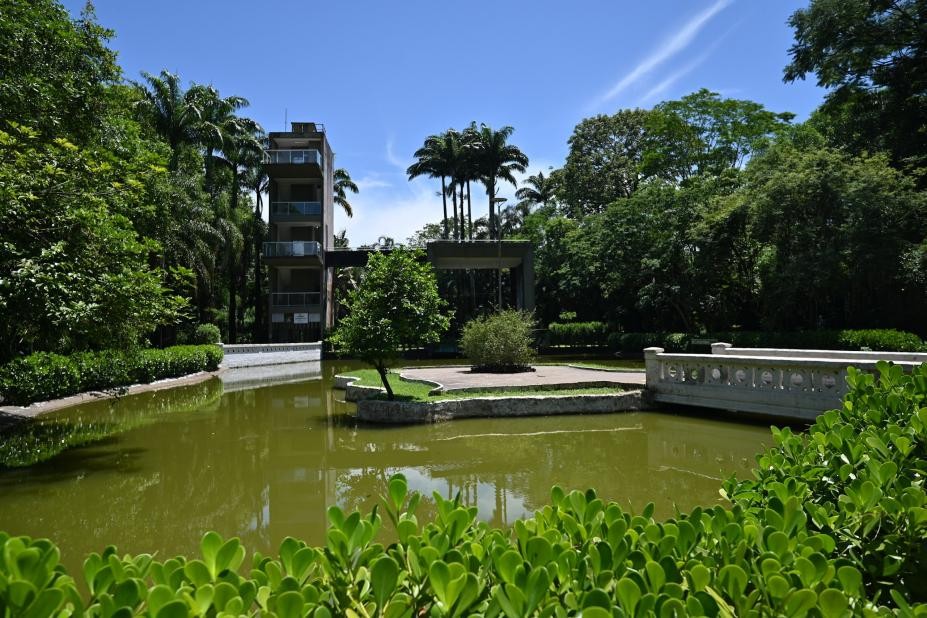
The city of Santos, located in the state of São Paulo, is providing a diverse range of free activities for all ages throughout July, hosted at its municipal parks. These events include workshops, courses, guided tours, exhibitions, and environmental education sessions focused on marine life, biodiversity, sustainability, and nature preservation. Despite ongoing revitalization work, the Municipal Aquarium will offer external activities and its traditional "Vacation Course" for children aged 5 to 12, emphasizing marine life preservation. Inscriptions for the aquarium course must be made in person by July 8th, between 1 PM and 4 PM, at the Aquarium Plaza. The Orquidário (Orchidarium) will feature programs centered on flora and fauna, including special Tuesday night visits starting at 6:30 PM, with limited spots available on a first-come, first-served basis, requiring a personal hygiene item donation for entry. The Jardim Botânico Chico Mendes (Chico Mendes Botanical Garden) will highlight urban agriculture and sustainability through workshops, seedling donations, and community projects. Specific events at the aquarium include sessions on composting, ghost fishing, and marine mammal games from July 16th to 31st. The Orquidário will host a mini-museum on caimans and animal trafficking on Saturdays and Sundays, alongside night visits on Tuesdays and an art exhibition. The Botanical Garden will offer guided tours, workshops on urban agriculture and composting, seedling donations, and sustainable crafts throughout July.
This initiative by the city of Santos aims to provide accessible educational and recreational opportunities during school holidays, leveraging public spaces like parks and aquariums. By focusing on environmental themes such as marine life, biodiversity, and sustainability, the program aligns with growing public awareness of ecological issues. The inclusion of workshops, courses, and hands-on activities caters to a broad demographic, fostering engagement with nature and conservation. From a systemic perspective, such public programming can enhance community well-being and environmental literacy, potentially contributing to long-term behavioral changes. The model demonstrates how municipal resources can be strategically deployed to promote both cultural enrichment and ecological stewardship, offering a replicable framework for other cities seeking to maximize the utility of their public assets.
AI-generated to prompt reflection — not editorial opinion, not advice, not a statement of fact. How this works.