Santos Orchidarium's 'Jaque' the Caiman Wins National Conservation Award
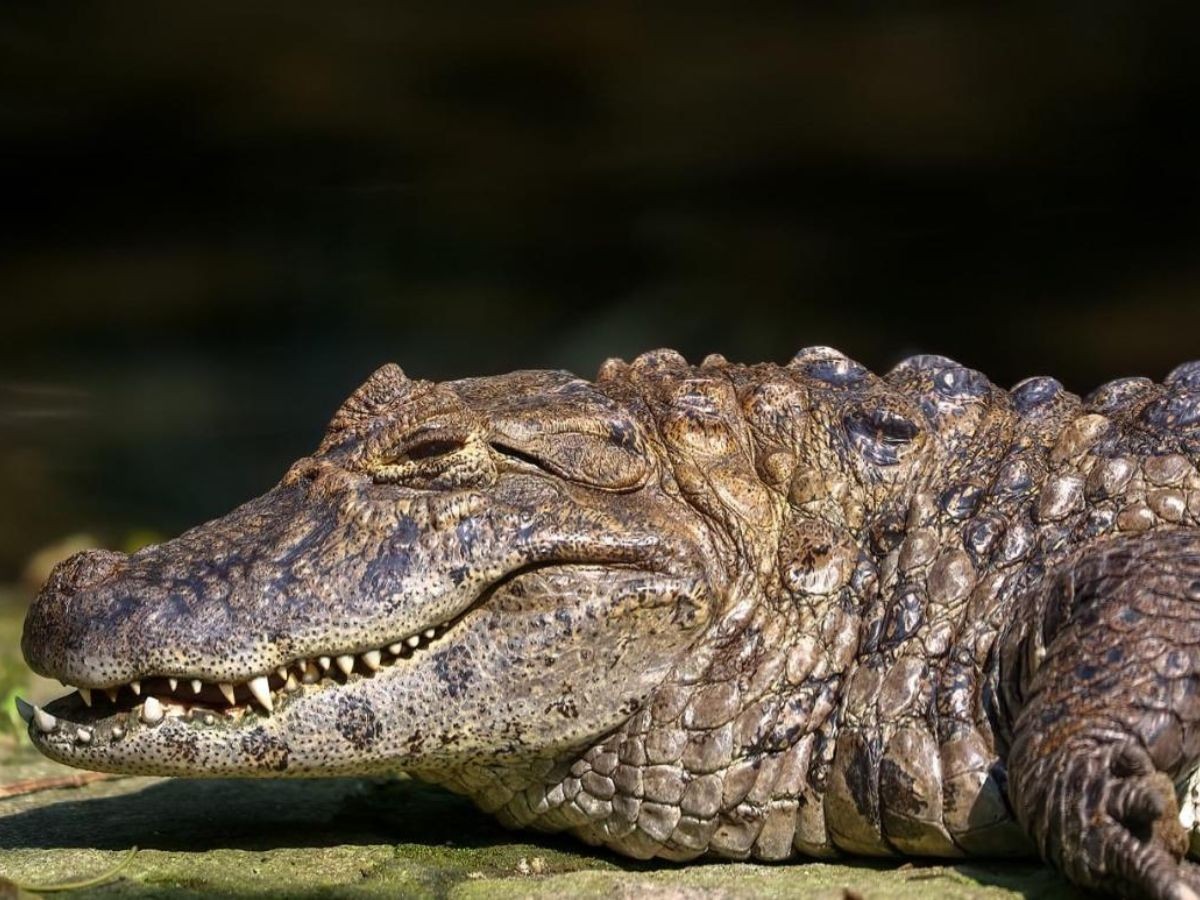
Jaque, a female yellow-spotted caiman residing at the Santos Orchidarium in São Paulo, Brazil, has been nationally recognized as the 'Camisa 10 da Conservação' (Conservation's Number 10). This title was awarded through an online vote called Copa Fauna, organized by the Association of Zoos and Aquariums of Brazil (Azab). Jaque has lived at the Orchidarium for 10 years and was elected in Azab's annual social media campaign that highlights animals in zoos and aquariums across the country. The announcement was made by Azab on July 1st. The yellow-spotted caiman species is crucial as a predator, aiding in the control of fish and amphibian populations and thus supporting ecosystem balance. According to Azab, these caimans also contribute to the conservation of rivers, lakes, and mangroves, serving as indicators of environmental quality. Jaque arrived at the Santos Orchidarium in 2008 at two years old and measuring one meter, transferred from a breeding facility in Arujá, SP. She now measures approximately 1.80 meters and weighs about 39 kilograms. Notably, Jaque coexists peacefully with other animals, including small birds and other reptiles, though a past attempt to house her with a male caiman was unsuccessful. The Santos City Hall has ensured her habitat at the Orchidarium allows for natural behaviors such as swimming, basking, and resting in dry areas.
The national recognition of 'Jaque' the caiman highlights the role of zoological institutions in public awareness campaigns for conservation. By personifying conservation efforts through individual animals, Azab leverages emotional connection to educate the public about species importance and habitat health. This approach, while effective for engagement, frames conservation as dependent on charismatic individuals rather than systemic ecological processes. Future initiatives could explore deeper dives into the complex interdependencies within ecosystems and the specific policy or habitat restoration actions required for species survival, moving beyond individual animal accolades to foster a more comprehensive understanding of conservation challenges and solutions.
AI-generated to prompt reflection — not editorial opinion, not advice, not a statement of fact. How this works.