Santos Port Access Project Faces Delays, New Completion Dates Set for 2027
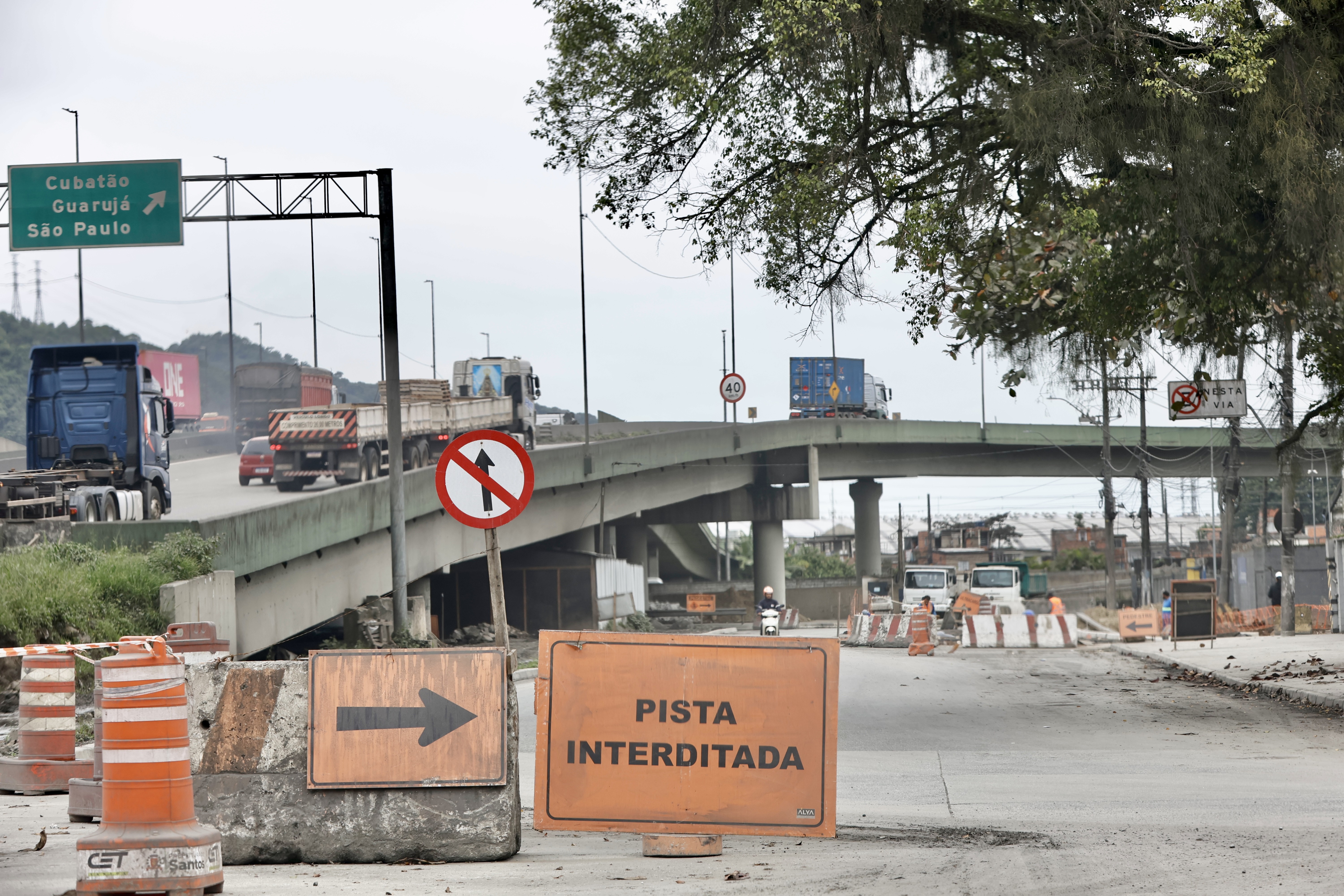
Major infrastructure upgrades to Alemoa, the primary access route to the Port of Santos in São Paulo, Brazil, have been postponed, pushing the expected completion date to January 2027. This critical area handles approximately 14,000 trucks daily. Two concurrent projects, one managed by the municipality and the other by the Port Authority of Santos (APS), are involved, with a combined investment of R$ 45.2 million.
The Santos City Hall project, costing R$ 17.4 million, received R$ 10.6 million from the state government and the remainder from municipal funds. Initially planned for completion earlier, its deadline has been extended to December 2026. The project, executed by TMK Engenharia and started in August 2024, faced significant delays due to heavy truck traffic, necessitating contract extensions. Despite these challenges, 89% of the work is complete, including paving, accessible sidewalks, drainage systems, LED lighting, and landscaping.
The APS project involves an investment of R$ 27.8 million, funded by the federal government, with a new target completion date of January 2027. These works, which began in November 2025, were also delayed, reportedly due to pre-construction rainfall. The APS contract with Consórcio F-Meng Alemoa allows for work to continue until March 2027 without additional financial or time extensions. Planned improvements include rebuilding the port exit road, installing a stormwater drainage channel, replacing cobblestone with asphalt, and modifying the local road network.
The delays in the R$ 45.2 million Port of Santos access project highlight the complex interplay between urban infrastructure development, heavy industrial logistics, and unforeseen environmental or operational challenges. The extended timelines and increased costs, even if covered by existing contracts, suggest potential underestimations in initial planning regarding traffic management during construction and weather impacts. Moving forward, optimizing project sequencing and contingency planning for such critical infrastructure, especially in high-traffic port environments, will be crucial. Future approaches could involve phased construction with more robust traffic diversion strategies or leveraging advanced construction technologies to minimize disruption and adhere to schedules, ensuring the port's economic efficiency is not compromised by necessary upgrades.
AI-generated to prompt reflection — not editorial opinion, not advice, not a statement of fact. How this works.