Santos Port Mega-Terminal Auction Paused Amidst Regulatory Rule Dispute
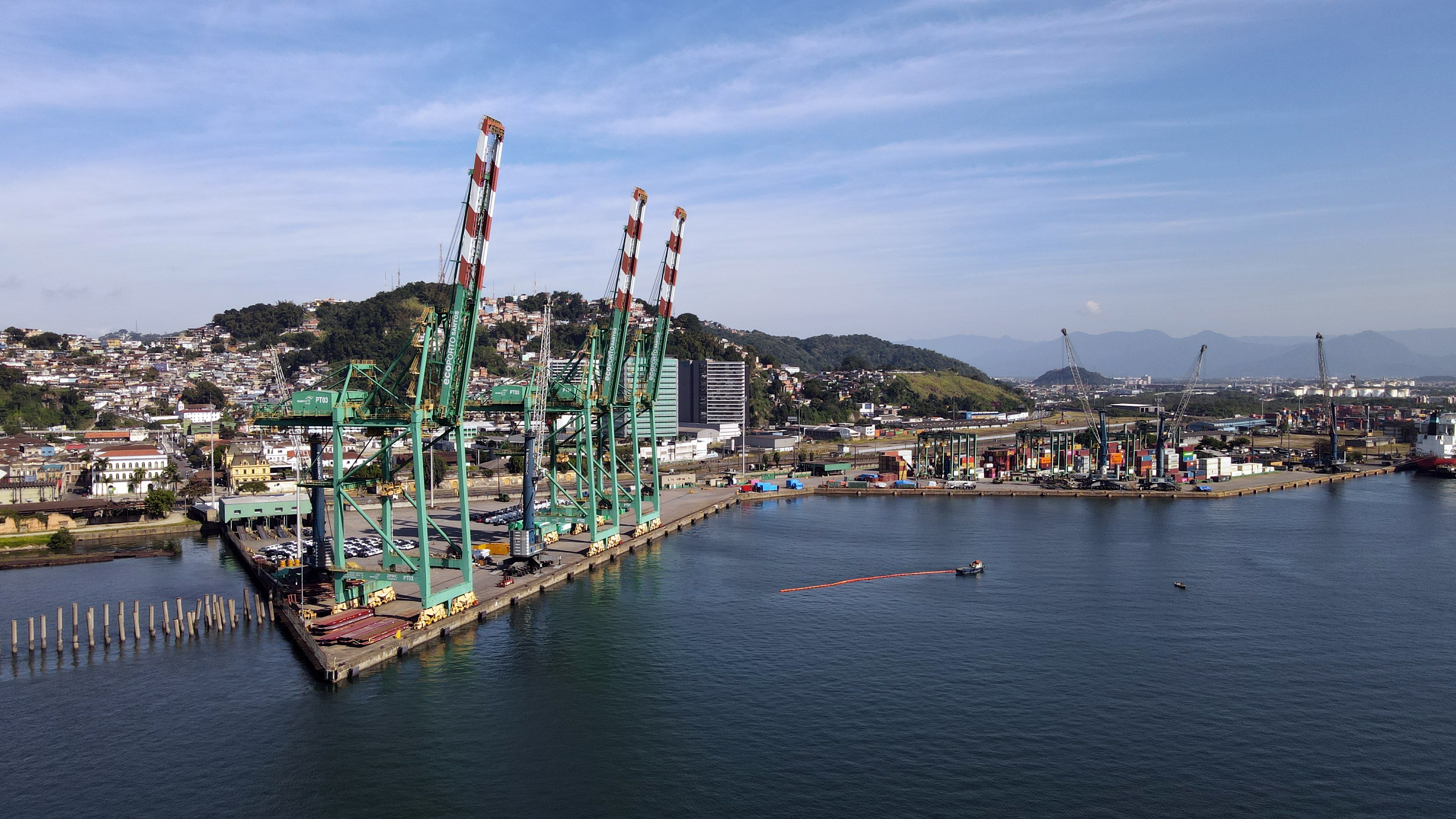
The auction for the Tecon Santos 10 (STS10) container terminal at the Port of Santos remains suspended as Brazil's National Waterway Transport Agency (Antaq) awaits a definitive decision from the federal government on the auction model. The mega-terminal, located in Saboó, São Paulo, covers 621,900 square meters and involves an initial 25-year contract, renewable for up to 70 years, with an estimated investment of R$6.45 billion. The project aims to increase container handling capacity by up to 50%. Antaq's original proposal, approved by the Federal Court of Accounts (TCU), initially restricted current port operators from participating in the first phase, allowing them only in a second phase if they divested assets beforehand. However, in May, the Ministry of Ports and Civil Aviation recommended removing these restrictions, permitting current operators to bid from the outset with a commitment to divest if they win. The government believes this approach fosters broader competition, potentially increasing the grant value and improving the selection of the winning bidder. Antaq, conversely, warns that altering the model compromises legal certainty and could delay the auction, which was slated for 2026. Antaq's Director-General, Frederico Dias, advocates for the original proposal, citing that any changes would require re-evaluation by the TCU, risking further delays. The Ministry of Ports and Airports has acknowledged receiving Antaq's documents and stated the matter is under review.
The dispute over the Port of Santos mega-terminal auction highlights a tension between promoting broad market competition and ensuring regulatory stability. The government's push to allow incumbent operators to bid from the start, contingent on future asset sales, aims to maximize auction revenue and potentially attract more bidders. However, Antaq's concerns about legal certainty and potential delays underscore the risks associated with frequent policy shifts. This situation presents a trade-off between immediate competitive pressures and the long-term predictability essential for significant infrastructure investments. Navigating this requires a clear, consistent public policy framework that balances the desire for market dynamism with the need for a stable investment environment, particularly as Brazil seeks to modernize its logistics infrastructure in an increasingly competitive global landscape.
AI-generated to prompt reflection — not editorial opinion, not advice, not a statement of fact. How this works.