Santos Port's Future Hinges on Efficiency, Technology, and Workforce Training
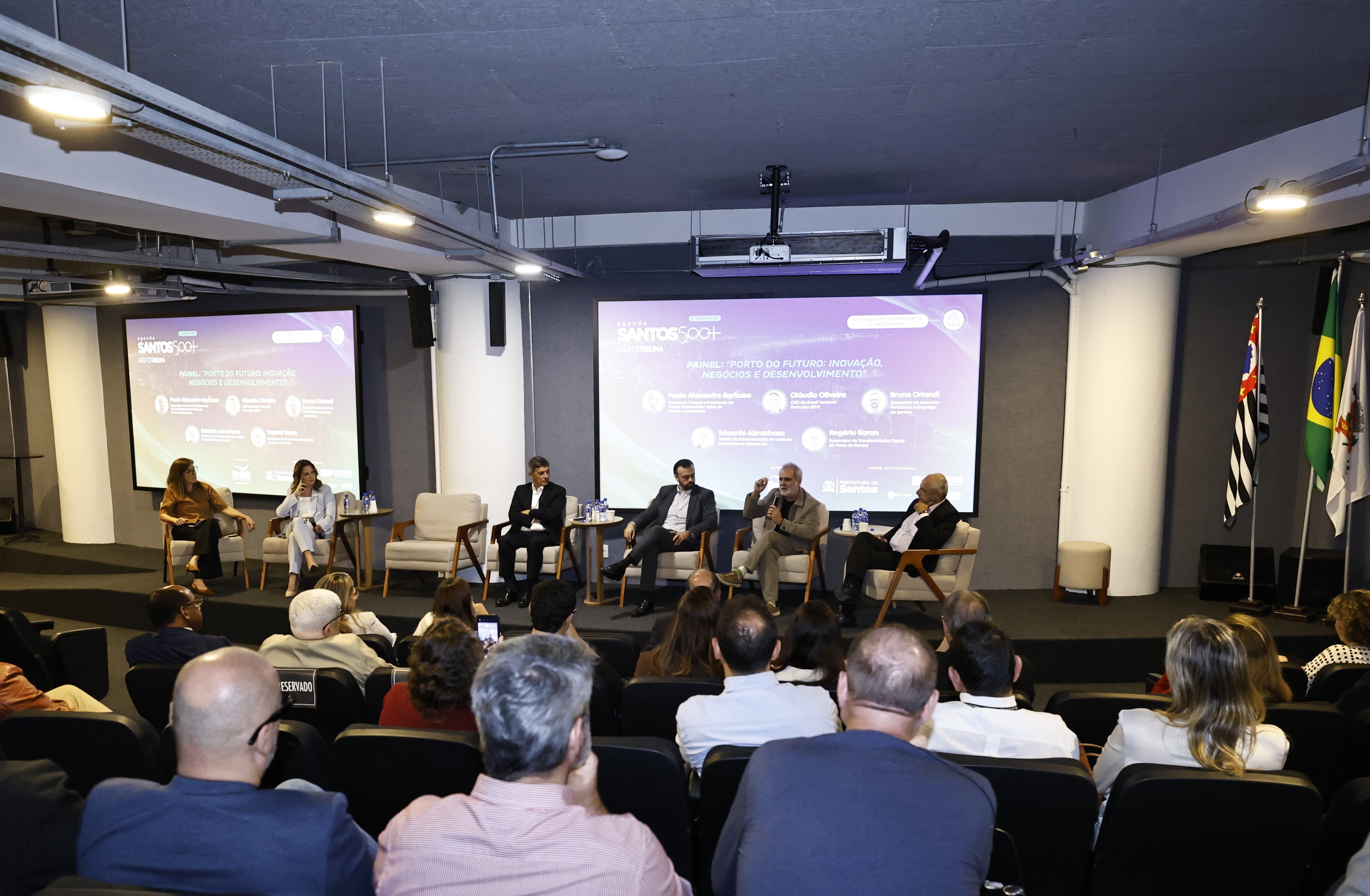
The future of the Port of Santos hinges on increasing operational capacity, reducing bureaucracy, and training a technologically adept workforce, according to discussions at the Agenda Santos 500+ event. Industry leaders, public officials, and innovation experts highlighted the urgent need to unlock investments by streamlining processes, with some likening the current complexity to needing a "Poupatempo" system for easier navigation. Delays in expanding port capacity, such as the stalled Tecon Santos 10 container terminal project, risk driving shipping lines to seek alternative ports, potentially harming the port, the city, and its workers. Even infrastructure projects like the future third lane of the Rodovia dos Imigrantes, expected after 2030, already require planning for subsequent connections like a fourth lane due to projected port growth.
Beyond infrastructure, the event emphasized the critical need for workforce adaptation to increasing automation and artificial intelligence. Officials noted that technological advancements will reshape existing jobs and create new ones, necessitating continuous training and qualification. Partnerships between the city government and port authorities are developing specialized courses, like port mechanics and electricians, to meet specific sector demands. The Parque Tecnológico de Santos and the Armazém 7 Innovation Hub were identified as key spaces for fostering talent in innovation and technology, promoting collaboration across different segments of the port and city.
The Agenda Santos 500+ project concluded a series of debates aimed at charting a course for Santos's future, covering topics from demographics and labor markets to climate change and urban development. Participants stressed the need to translate these discussions into concrete short, medium, and long-term public policies. The goal is to ensure Santos continues to grow with quality of life, economic development, and improved conditions for its residents, especially considering future challenges like an aging population, climate change impacts, and urban mobility demands. The project underscores Grupo Tribuna's commitment to fostering strategic discussions for regional development as Santos approaches its 500th anniversary.
The discussions surrounding the Port of Santos highlight a critical juncture where operational efficiency, technological integration, and human capital development must converge to sustain growth. The analysis suggests that bureaucratic hurdles and delayed infrastructure expansions represent significant friction points, potentially diminishing the port's global competitiveness against evolving logistical networks. Furthermore, the imperative to upskill the workforce acknowledges the systemic shift driven by AI and automation, posing a dual challenge of managing job displacement while cultivating new skill sets. This necessitates forward-thinking public-private partnerships and educational initiatives that anticipate future labor market demands, rather than merely reacting to current ones. The event's focus on integrated planning across infrastructure, urban development, and workforce training indicates an understanding that the port's future is inextricably linked to the broader socio-economic ecosystem of Santos, requiring a holistic approach to governance and investment.
AI-generated to prompt reflection — not editorial opinion, not advice, not a statement of fact. How this works.