Santos Proposes Stricter Regulations for Electric Bikes and Mopeds After Fatal Accident
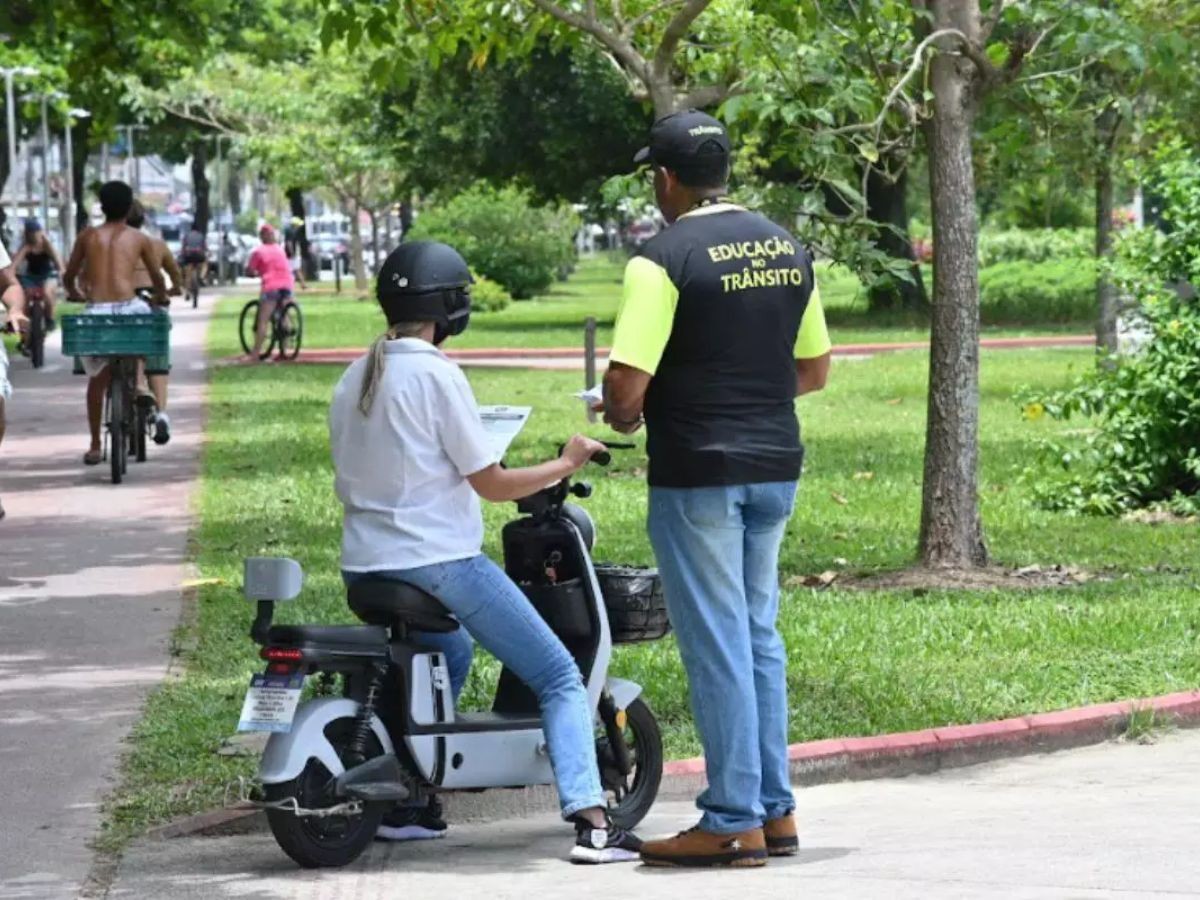
Following a fatal accident involving a cyclist, the Santos City Hall in São Paulo has proposed a new law to enhance the oversight of electric bicycles, mopeds, and self-propelled vehicles like electric scooters and unicycles. This initiative aims to amend Municipal Law No. 4.221/2023, which currently governs individual transport vehicles, in response to a rise in infractions and accidents. The city intends to increase control over unauthorized modifications to these devices and implement measures to monitor and limit their speed. Current common violations include improper parking and exceeding the speed limit of 20 km/h.
Traffic Engineering Company of Santos (CET-Santos) reports a significant increase in interactions with these vehicles. In the first half of 2026, there were 1,705 enforcement actions, compared to 1,099 over the entire 12 months of 2025. During the first half of 2026, eight vehicles, including electric bikes, mopeds, and self-propelled devices, were seized. The city also noted a rise in accidents involving these individual transport modes, with 18 incidents from January to May 2026, up from 11 during the same period in the previous year. The municipal administration emphasized the importance of legislation and educational campaigns, which have been more frequent since October 2025, while also urging user responsibility.
According to the National Traffic Council (Contran), bicycles, scooters, skateboards, hoverboards, and electric unicycles are permitted on sidewalks and bike paths, provided they adhere to municipal speed limits. Mopeds, however, must be restricted to street use, require licensing and a license plate, and their operators must possess a specific driver's license. New regulations for mopeds are set to take effect in 2026.
The proposed legislation in Santos reflects a growing global challenge in integrating new personal mobility devices into existing urban infrastructure. The city's response, triggered by a tragic accident, highlights the tension between fostering sustainable transport options and ensuring public safety. The proposed measures, focusing on speed limits, modifications, and enforcement, aim to address immediate safety concerns. However, the effectiveness of these regulations will depend on balanced enforcement and continued public education, particularly as these technologies evolve rapidly. Future urban planning must proactively consider the integration of diverse mobility solutions, anticipating technological advancements and their societal impact to prevent such incidents and promote equitable, safe transportation for all.
AI-generated to prompt reflection — not editorial opinion, not advice, not a statement of fact. How this works.