Santos Residents Without Potable Water for Nine Days After Sewage Contamination
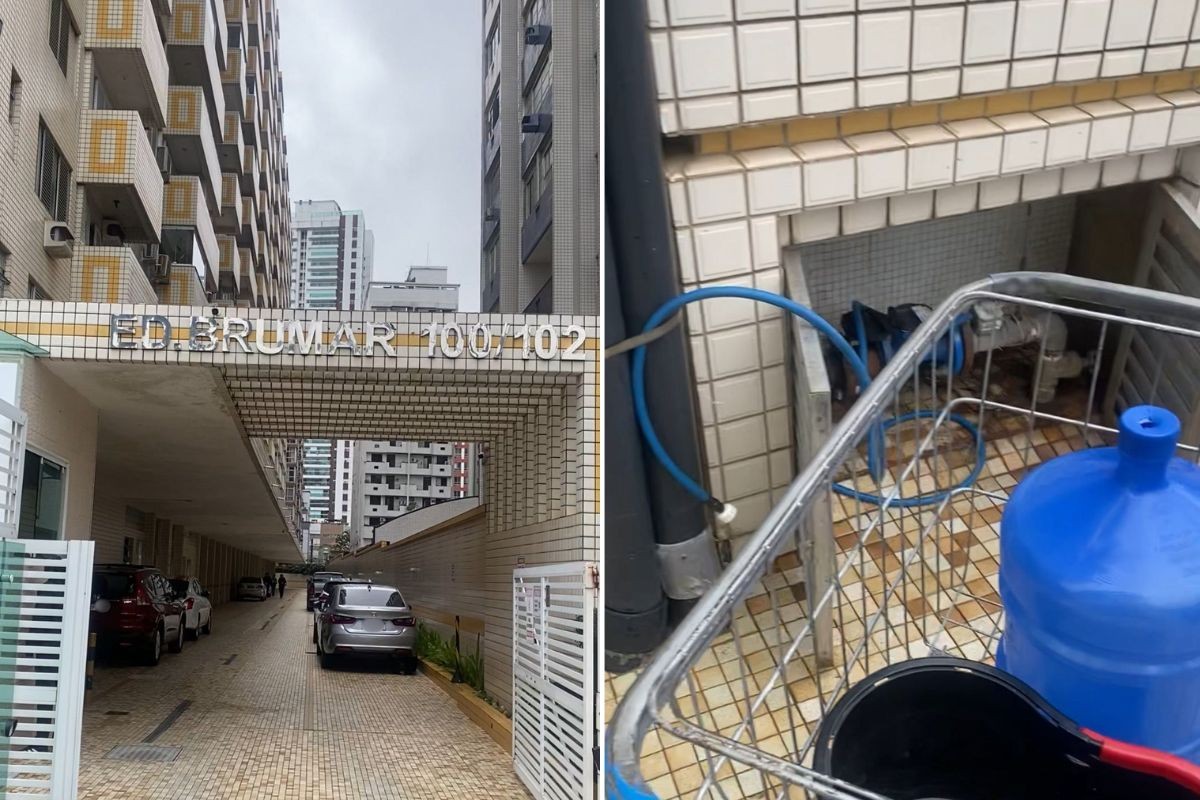
Residents of a building in Santos, on the coast of São Paulo, have been without potable water for nine days following sewage contamination of their water tanks. The issue at Condomínio Edifício Brumar, located on Avenida Presidente Wilson in the Pompéia neighborhood, began on July 4th. Residents were advised to avoid using water from the internal network. A resident, who wished to remain anonymous, stated that there is no projected timeline for a solution. The condominium administration attributes the contamination to work performed on the water tank during a previous management period. The lack of potable water has severely impacted basic activities such as bathing and food preparation. The resident reported that she and her husband experienced diarrhea after contact with the contaminated water, highlighting the severe health consequences and the distress of having to collect water from an external tap. Images show residents accessing water from a tap installed by Sabesp at the building's entrance. The condominium administrator informed residents that the Epidemiological Surveillance will conduct a task force for serological tests for hepatitis and leptospirosis, as well as stool exams, to potentially provide vaccines based on the results. Sabesp stated it found no irregularities in its water supply and pointed to a problem within the building's internal plumbing and sanitation systems as the cause. The building's older construction, with deeper sewage piping than neighboring buildings, may have contributed to the issue, leading to sewage backing up into the condominium's system. A technical inspection revealed that the area housing the pumps and water tanks was not waterproofed, a structural flaw that had allowed potable water to leak for years and, with sewage buildup, led to the contamination of stored water. The condominium has advised residents to use bottled water for consumption and hygiene and has provided an external tap for water collection.
This incident highlights critical infrastructure vulnerabilities within older residential buildings, particularly concerning the integration of sanitation and potable water systems. The prolonged disruption and health impacts underscore the importance of regular, thorough maintenance and structural integrity checks for water storage and distribution networks, especially in densely populated areas. Governance failures, potentially stemming from previous management's oversight or inadequate structural assessments, appear to have exacerbated the situation. Moving forward, robust regulatory oversight and clear accountability frameworks are essential to prevent such systemic failures, ensuring that building management prioritizes resident safety and public health over cost-saving measures. The reliance on external aid and temporary solutions like external taps points to a need for more proactive and resilient infrastructure planning to mitigate the long-term consequences of aging systems in the face of evolving urban demands and environmental pressures.
AI-generated to prompt reflection — not editorial opinion, not advice, not a statement of fact. How this works.