Sara Duterte's Bank and Tax Records Exempt from Secrecy Law, Says Drilon
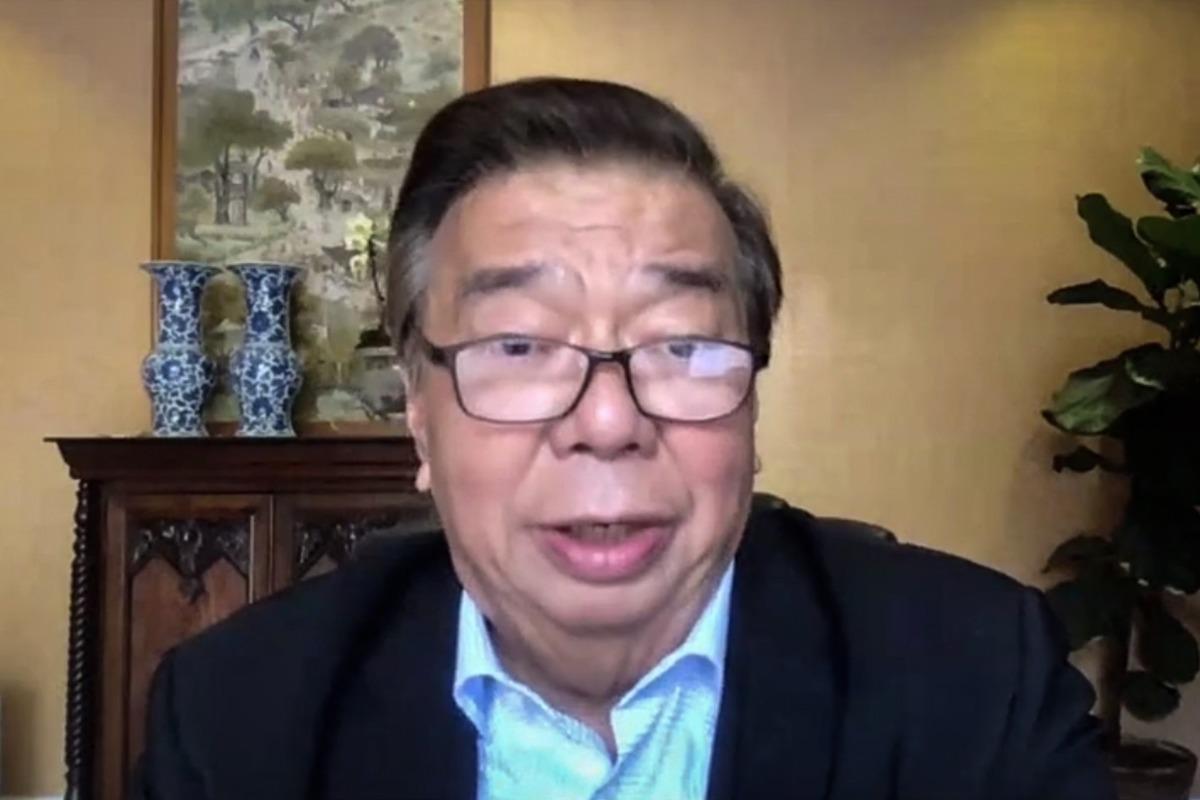
Former Senate President Franklin Drilon stated on Monday that the bank and tax records of Vice President Sara Duterte are not covered by confidentiality laws. This exemption applies because the records are being requested in connection with her ongoing impeachment trial. Drilon clarified that the Bank Secrecy Law and the Tax Secrecy Law do not apply in this specific instance. He explained that these laws are designed to protect ordinary citizens and their financial privacy. However, he noted that impeachment proceedings are a unique constitutional process that allows for greater transparency. The request for Duterte's financial records is part of the impeachment proceedings initiated against her. Drilon emphasized that the impeachment trial is a crucial mechanism for accountability within the government. Therefore, access to relevant financial information is deemed necessary for a fair and thorough investigation.
The assertion that Vice President Sara Duterte's financial records are exempt from standard bank and tax secrecy laws during an impeachment trial highlights a critical tension between individual privacy and governmental accountability. Impeachment proceedings, as a constitutionally defined process for removing public officials, often necessitate broader investigative powers than typical legal actions. This situation prompts consideration of how evolving governance frameworks can balance the need for transparency in high-stakes political processes with the fundamental right to financial privacy. The precedent set by such exemptions could influence future accountability mechanisms, potentially expanding the scope of information accessible during investigations into public officials' conduct. Examining the specific legal interpretations and legislative intent behind these secrecy laws in the context of constitutional checks and balances is crucial for understanding the long-term implications for both public trust and individual rights in the digital age.
AI-generated to prompt reflection — not editorial opinion, not advice, not a statement of fact. How this works.