Sardines, Sardinellas, and Xoubas: Understanding the Differences
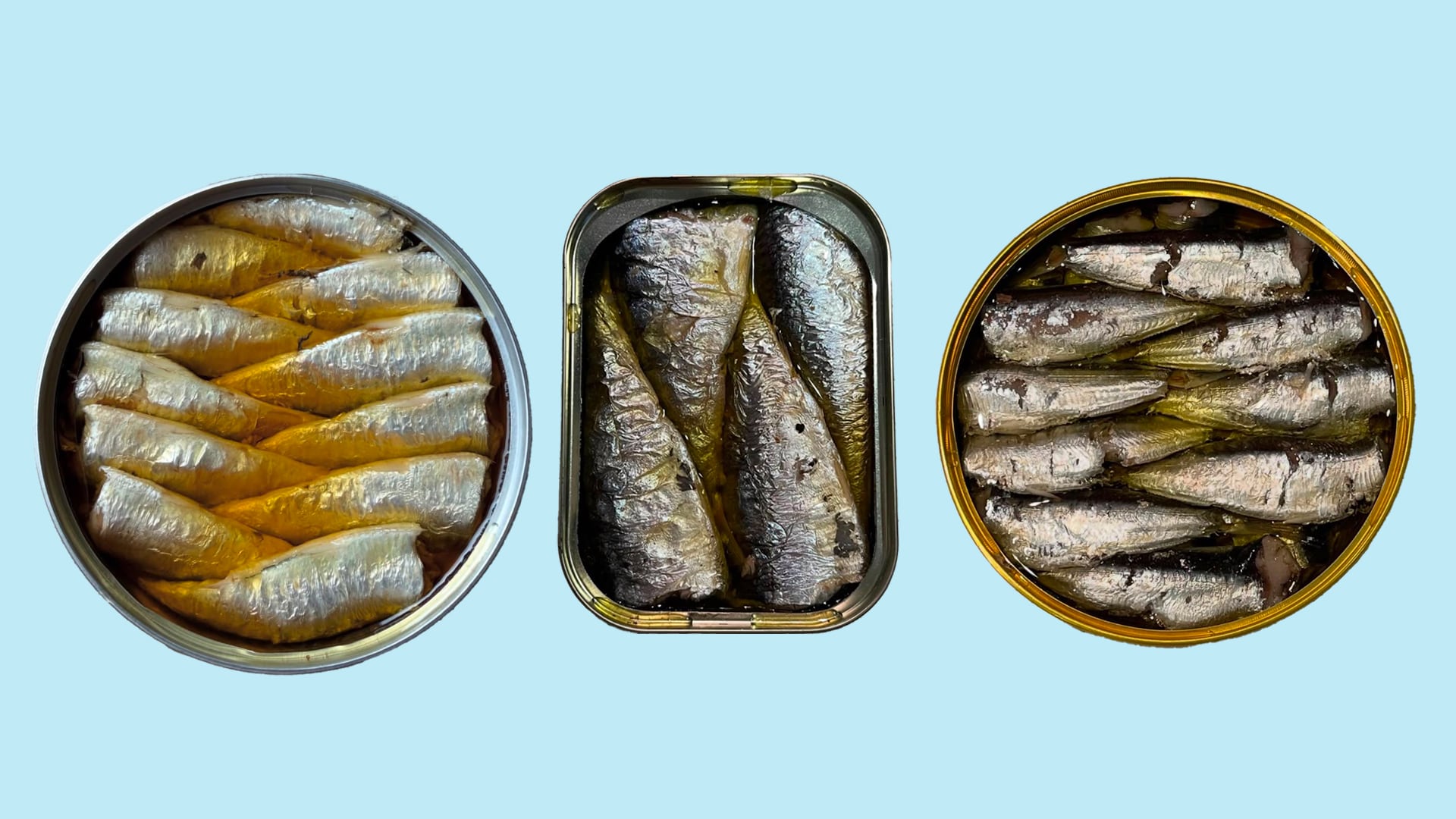
The primary distinctions between sardines, sardinellas, and 'xoubas' lie in their size, the fishing methods employed, and their specific locations of capture. While often used interchangeably in common parlance, these terms refer to different species or different life stages of the same species, leading to variations in their culinary applications and market value. Understanding these differences is crucial for consumers, chefs, and the fishing industry alike. Sardines are generally larger, while 'xoubas' are typically the smallest, often referring to juvenile sardines. Sardinellas can represent a broader category or specific species depending on the region. The fishing techniques used also play a role, with some methods being more sustainable or selective than others. The geographical origin is another key factor, as different marine environments influence the fish's flavor, texture, and nutritional content. These factors collectively contribute to how each type is marketed and consumed.
The categorization of fish like sardines, sardinellas, and 'xoubas' highlights the complex interplay between biological classification, regional nomenclature, and market segmentation. Consumer understanding and industry practices often diverge, creating potential for confusion or misrepresentation. This situation underscores the importance of clear labeling and standardized terminology to ensure fair trade and informed purchasing decisions. As global fisheries face increasing pressure, precise identification becomes critical for effective resource management and the sustainability of marine ecosystems. The differentiation also reflects how economic value is assigned based on perceived quality, size, and availability, influenced by both tradition and market demand.
AI-generated to prompt reflection — not editorial opinion, not advice, not a statement of fact. How this works.