Sardinia's Baby Bonus: More Births, Fewer Jobs for Mothers, INPS Report Finds
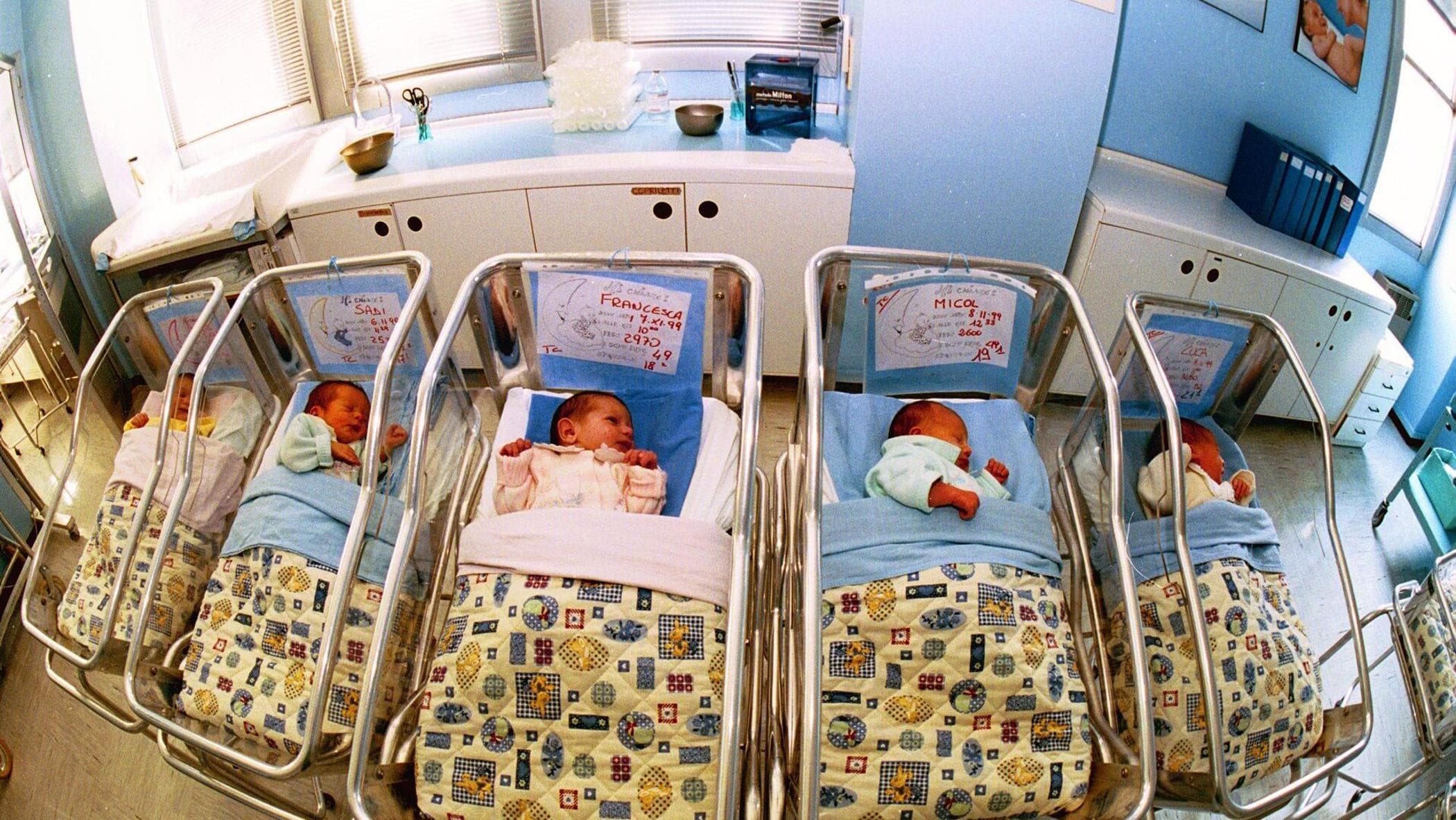
A regional baby bonus program in Sardinia has led to a 21% increase in births, according to a new INPS report. However, the same policy has had an unintended negative consequence: a 25% reduction in the probability of employment for mothers. This suggests a complex interplay between financial incentives for childbirth and women's participation in the workforce.
Conversely, the report indicates that investments in childcare facilities and the promotion of smart working arrangements have had positive effects. These measures appear to support mothers' employment prospects, contrasting with the impact of the direct birth bonus. The findings highlight the need for a nuanced approach to family policies, balancing the goal of increasing birth rates with the imperative of ensuring women's continued economic engagement.
The INPS report on Sardinia's baby bonus policy reveals a potential systemic contradiction. While financial incentives can stimulate birth rates, they may inadvertently disincentivize maternal employment if not coupled with robust support structures. This outcome suggests that policies focused solely on increasing births, without simultaneously addressing the structural barriers to women's re-entry into the workforce, may create long-term economic disadvantages for mothers and the broader economy. Future policy design could benefit from integrating birth incentives with comprehensive childcare solutions and flexible work arrangements, fostering a more equitable balance between family formation and career progression in the evolving labor market.
AI-generated to prompt reflection — not editorial opinion, not advice, not a statement of fact. How this works.