Satellite Images of Penguin Guano Track Climate Change Effects on Adélie Penguins
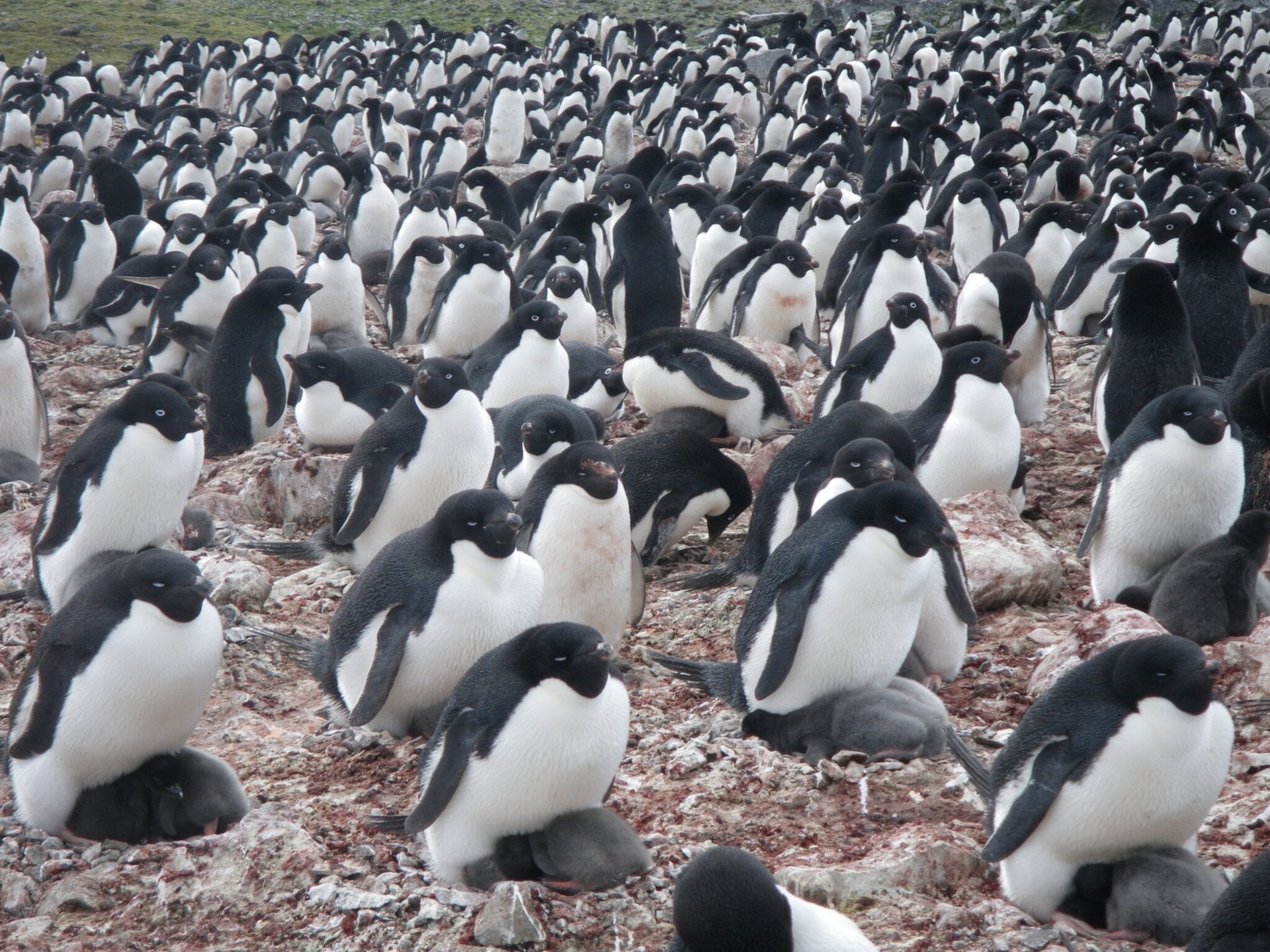
For the first time, researchers have used satellite imagery to monitor Adélie penguin populations and their food web dynamics across Antarctica. By analyzing 30 years of Landsat satellite data, scientists examined the color and spectral signatures of penguin guano, a waste product. This innovative approach allows for continent-wide observations of these crucial ecological indicators. The study marks a significant advancement in using remote sensing to understand the impacts of climate change on Antarctic wildlife. The guano's spectral properties can reveal information about the penguins' diet and overall population health. This method provides a scalable and consistent way to track changes over time. The research demonstrates the power of satellite technology in ecological monitoring. It offers a new perspective on how environmental shifts are affecting this iconic Antarctic species. The findings contribute to a broader understanding of ecosystem health in a rapidly changing polar environment.
This novel application of satellite imagery to analyze penguin guano represents a significant advancement in ecological monitoring. By leveraging spectral signatures, researchers can gain continent-wide insights into population and food-web dynamics without direct physical intervention. This method offers a scalable and cost-effective alternative to traditional field studies, particularly in remote and challenging environments like Antarctica. The long-term data set allows for the tracking of climate change impacts on species and their ecosystems over decades. Future applications could include predicting population trends and identifying areas most vulnerable to environmental shifts, thereby informing conservation strategies in the face of accelerating climate change.
AI-generated to prompt reflection — not editorial opinion, not advice, not a statement of fact. How this works.