Satellite mega-constellations pose existential threat to astronomy, warns study
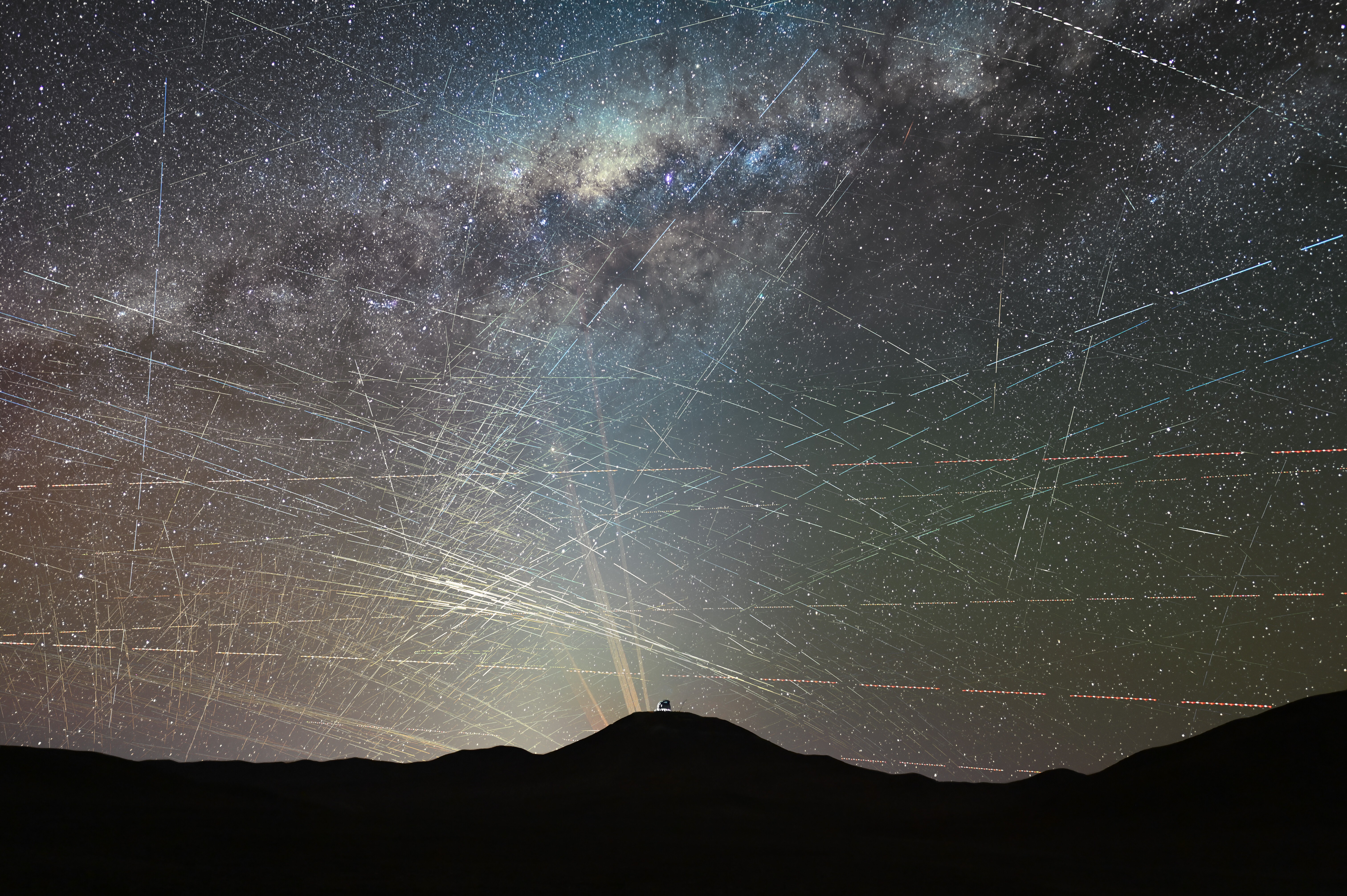
A new study by the European Southern Observatory (ESO) warns that the proliferation of satellite mega-constellations could have devastating consequences for astronomical observation. The research, published in Astronomy & Astrophysics, estimates that the number of satellites in Earth's orbit should not exceed 100,000 to preserve our ability to observe the night sky. Currently, there are approximately 14,000 satellites, largely from SpaceX's Starlink program. However, companies like SpaceX, E-Space, and Chinese projects plan to launch hundreds of thousands more, with one American startup, Reflect Orbital, aiming to deploy up to 50,000 large, mirror-like satellites by 2035 to provide nighttime illumination. In total, over 1.7 million satellites could saturate the night sky, hindering terrestrial telescopes.
The rapid expansion of satellite mega-constellations presents a significant challenge to ground-based astronomy, potentially degrading the quality of observational data by increasing sky brightness and introducing light trails. This situation highlights a fundamental tension between the expansion of commercial space infrastructure, driven by the demand for global connectivity and new services, and the preservation of scientific endeavors that rely on pristine night sky conditions. The study's recommendation to limit satellite numbers and brightness suggests a need for international regulatory frameworks that balance technological advancement with the protection of shared astronomical resources. Future governance models will need to address the cumulative impact of multiple actors in low Earth orbit to ensure sustainable access to space for both commercial and scientific purposes.
AI-generated to prompt reflection — not editorial opinion, not advice, not a statement of fact. How this works.