Satellite Proliferation Threatens Ground-Based Astronomy, Experts Warn
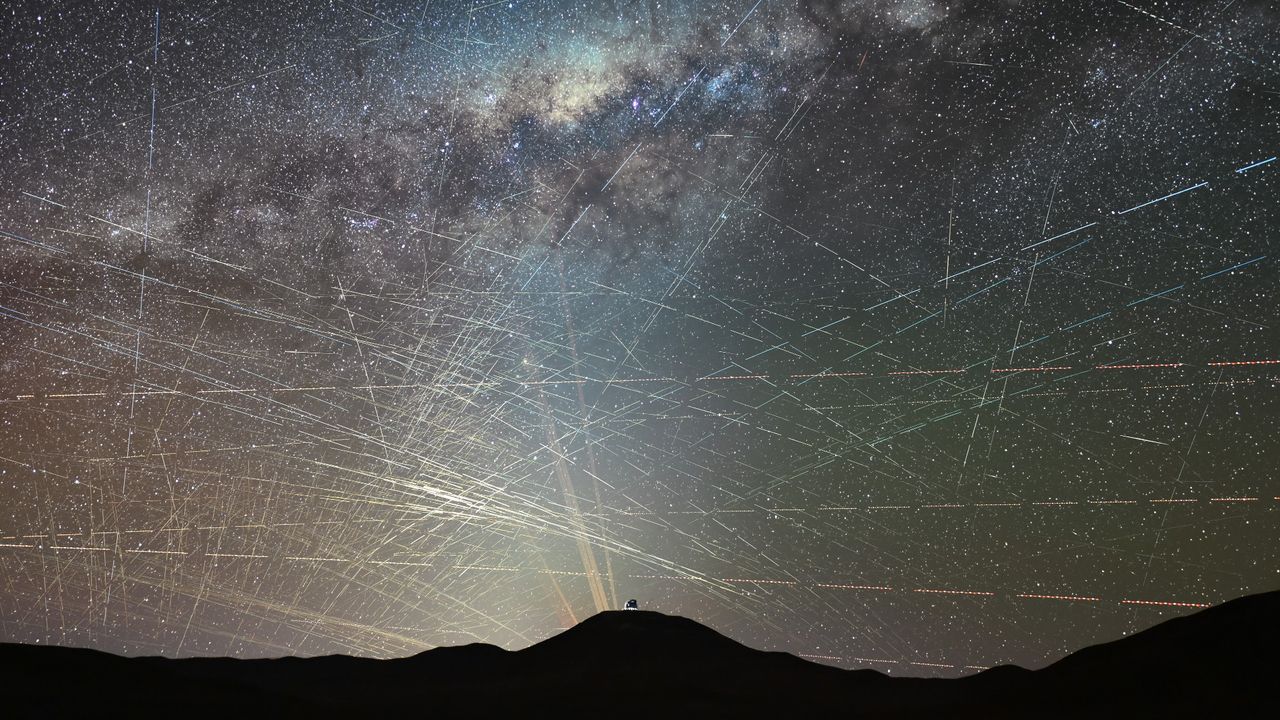
The increasing number of satellites in Earth's orbit poses a significant threat to ground-based astronomical observations, potentially rendering telescopes obsolete. Experts warn that if the satellite population surpasses 100,000, humanity's capacity to study the universe from Earth's surface could be severely compromised. Several companies are planning to launch millions of additional satellites into space, exacerbating the issue. This rapid expansion of orbital infrastructure raises concerns about light pollution and interference, which could obscure celestial objects and disrupt scientific research. The potential obsolescence of ground-based telescopes would have catastrophic implications for the field of astronomy, hindering our understanding of the cosmos. The scientific community is actively seeking solutions to mitigate these risks and ensure the continued viability of astronomical study.
The rapid expansion of low-Earth orbit constellations, driven by commercial interests in global internet access and other services, presents a complex governance challenge. While these ventures offer potential societal benefits, their unchecked growth creates an externality for scientific endeavors like astronomy. The sheer volume of artificial objects in orbit risks overwhelming the capacity of ground-based observatories, which have been fundamental to our understanding of the universe for centuries. This situation highlights a potential systemic conflict between the pursuit of commercial innovation and the preservation of shared scientific resources. Future regulatory frameworks will need to balance the economic incentives for satellite deployment with the imperative to protect astronomical research, ensuring that technological advancement does not inadvertently blind humanity to the cosmos.
AI-generated to prompt reflection — not editorial opinion, not advice, not a statement of fact. How this works.