Satellite Trackers Deployed to Aid Vulture Conservation in Zambia's Luangwa Valley
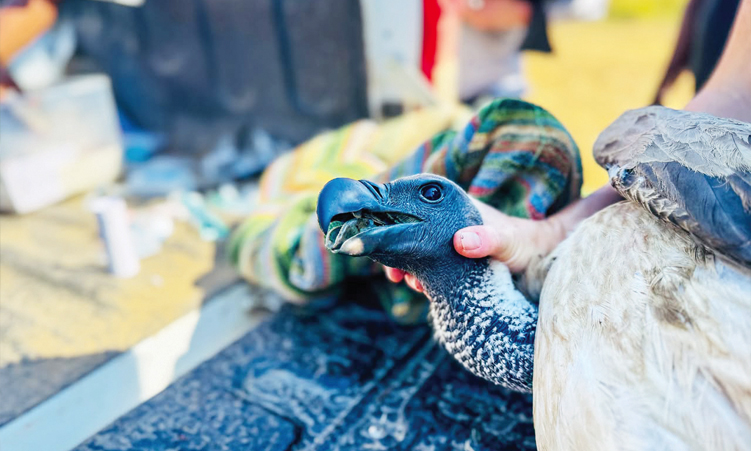
Eight critically endangered white-backed vultures in Zambia's Luambe National Park have been fitted with solar-powered satellite transmitters. This initiative aims to enhance conservation efforts and provide scientists with crucial data on the health of the Luangwa Valley ecosystem. The project is a collaborative effort involving the International Fund for Animal Welfare (Ifaw) and the department of national parks.
The deployment of satellite transmitters represents a technological advancement in wildlife conservation, offering a data-driven approach to understanding and protecting endangered species. By monitoring vulture movements and habitat use, conservationists can identify critical areas, potential threats, and the overall health of the ecosystem. This method allows for more targeted interventions and resource allocation, moving beyond traditional observation. The long-term effectiveness will depend on integrating this data into adaptive management strategies and addressing the underlying causes of vulture population decline, such as poisoning and habitat degradation, within the broader context of regional conservation policies and community engagement.
AI-generated to prompt reflection — not editorial opinion, not advice, not a statement of fact. How this works.