Satellite Tracking Reveals Sei Whale Migration Routes in Patagonia
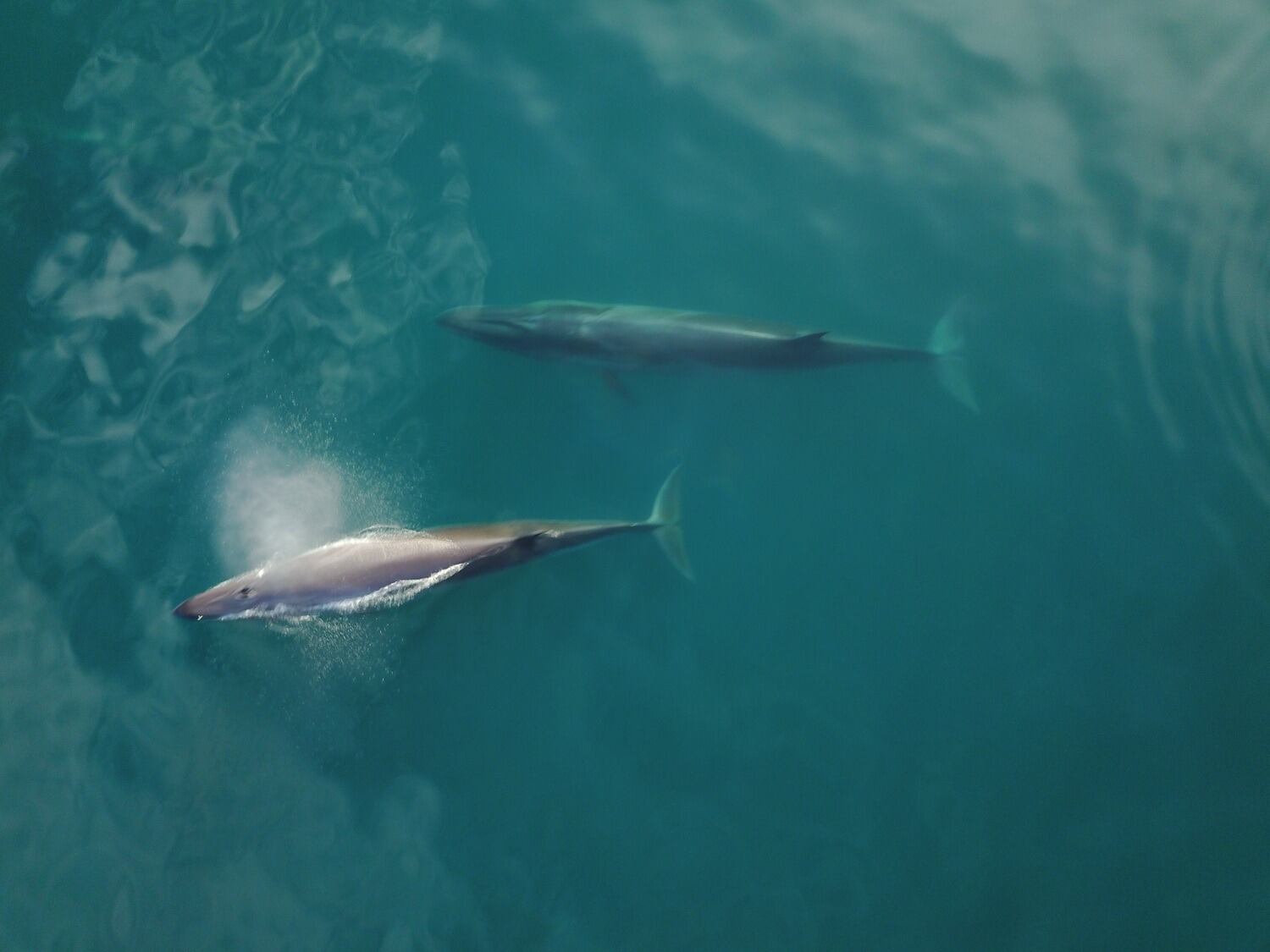
Scientists are using satellite technology to track sei whales, the third-largest animal on Earth, in the Patagonian region of Argentina. This critically endangered species, which was nearly wiped out by intensive hunting, has shown a significant population increase over the last 15 years, making the Golfo San Jorge a crucial area for its survival. A team led by Mariano Coscarella, a principal investigator from CONICET, is working with researchers from UNPSJB, NOAA, and Rewilding Argentina to understand the whales' use of the Patagonian environment.
The sei whales are drawn to the area between Comodoro Rivadavia and Rada Tilly for feeding, primarily on krill, copepods, and small pelagic fish, from October to June. After June, they begin a migration towards Brazil, with some traveling along the coast and others through deeper waters. The exact final destination in Brazil remains unclear, though initial data suggests some whales reach southern Brazil before their tracking signals are lost.
Satellite trackers, implanted in the whales' skin and fat, provide data for 30 to 40 days, with deeper implants lasting three to four months. This technology is vital for identifying key feeding and potential breeding grounds, which can then inform the creation of marine protected areas. The research aims to understand the sei whale's adaptation to its habitat and diet, their population numbers, behavior, and interactions with other marine life. Understanding these dynamics is crucial for developing management strategies and ensuring the long-term conservation of this vital ecosystem.
This research leverages advanced satellite telemetry to address critical knowledge gaps regarding the sei whale's migratory patterns and habitat utilization in Patagonia. By objectively mapping these movements, scientists can provide data-driven recommendations for establishing marine protected areas, a crucial step for species conservation in the face of increasing anthropogenic pressures, such as potential oil and gas exploration in nearby regions. The initiative highlights the power of interdisciplinary collaboration and technological innovation in ecological research, offering a robust framework for evidence-based policy decisions. Future efforts could explore the long-term impacts of environmental changes on prey availability and migration routes, integrating this data into broader ecosystem management strategies for the South Atlantic.
AI-generated to prompt reflection — not editorial opinion, not advice, not a statement of fact. How this works.