Satellites Could Detect Nuclear Weapons in Orbit
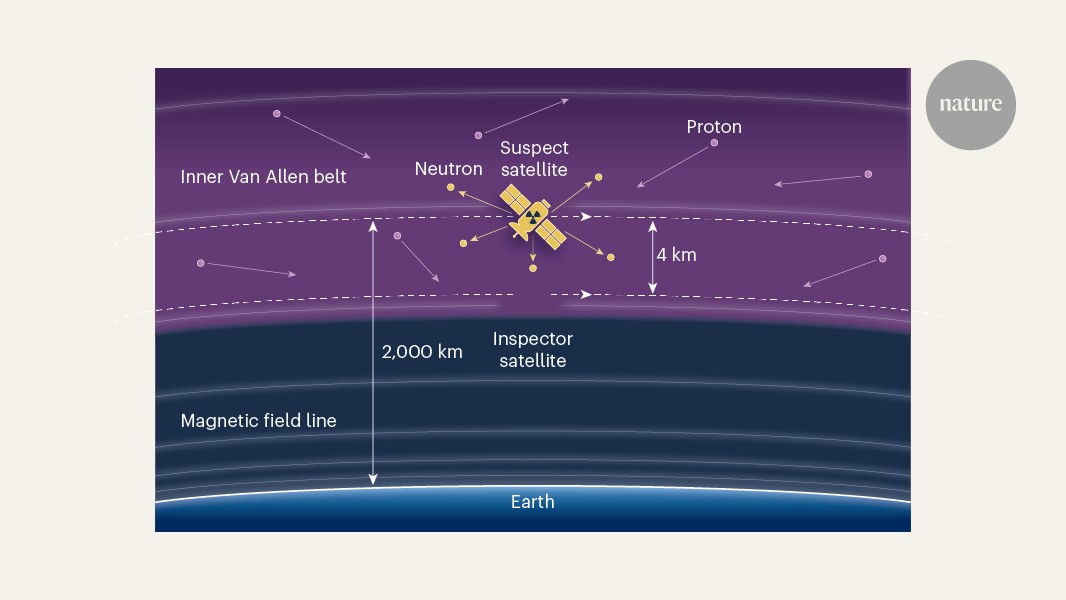
Satellites are being developed to detect nuclear weapons that could be deployed in space. The United States has expressed concerns about potential threats from such weapons, particularly those developed by Russia. These concerns were highlighted in a declassified report from the U.S. intelligence community, which stated that Russia is developing a space-based anti-satellite weapon. This weapon is reportedly capable of carrying a nuclear warhead. The U.S. intelligence community has not confirmed the exact capabilities or the timeline for the deployment of this weapon. However, the potential existence of such a weapon raises significant concerns about the militarization of space and the escalation of nuclear threats. The development of space-based nuclear weapons could destabilize the existing strategic balance and create new challenges for arms control and international security. The U.S. is actively monitoring the situation and developing countermeasures to ensure its own security and that of its allies.
The potential deployment of nuclear weapons in space introduces profound strategic instability, challenging existing arms control frameworks and raising the specter of a new, high-stakes arms race. The development of space-based anti-satellite capabilities, particularly those with nuclear payloads, could fundamentally alter deterrence calculations. Such systems, if operational, would present a dual threat: the immediate destruction of space assets and the potential for widespread, long-lasting radioactive contamination affecting terrestrial environments. This escalates the risks associated with space militarization, demanding robust international dialogue and verification mechanisms to prevent a catastrophic escalation. Future governance of space must prioritize de-escalation and the preservation of space as a domain for peaceful exploration and scientific advancement, rather than a theater for existential conflict.
AI-generated to prompt reflection — not editorial opinion, not advice, not a statement of fact. How this works.