Sattu vs. Whey Protein: Which is More Beneficial for Fitness?
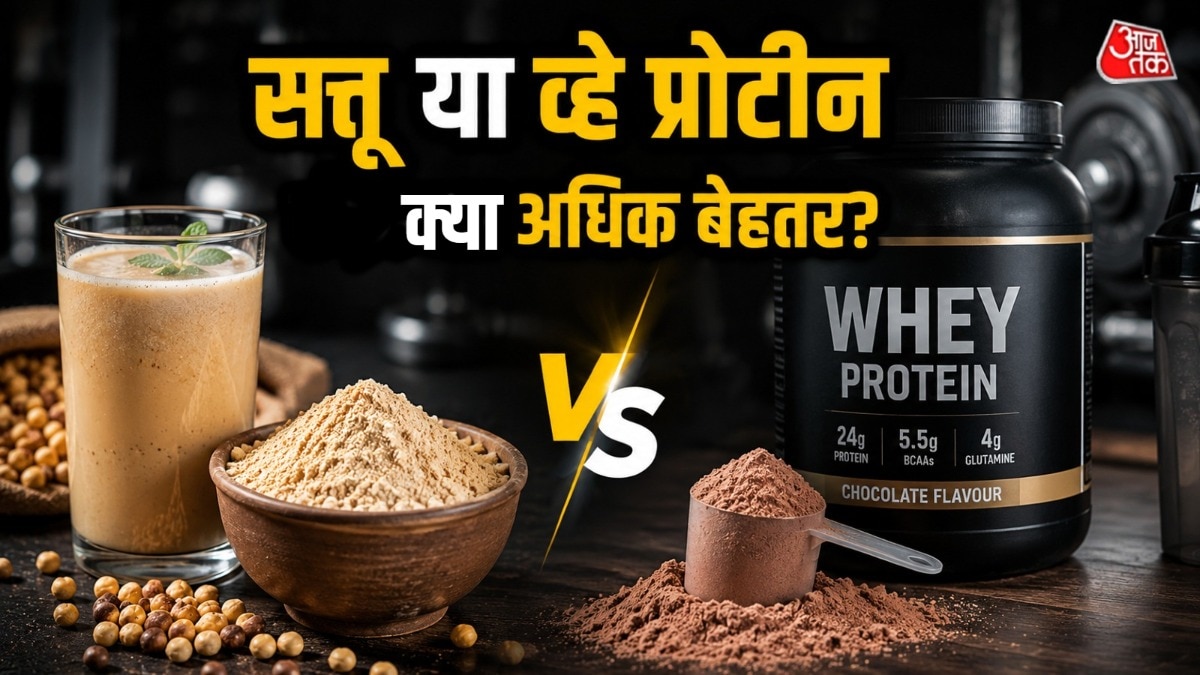
The article explores the debate between sattu and whey protein for fitness enthusiasts, questioning whether sattu can serve as a viable alternative to whey protein or if whey protein remains superior for muscle building. It aims to clarify which option is best for individuals on their fitness journey. The piece will delve into the comparative benefits of both sattu, a traditional Indian roasted gram flour, and whey protein, a byproduct of cheese making, in the context of achieving fitness goals. It seeks to provide clarity for consumers who are often faced with choosing between these two popular protein sources. The discussion will likely cover aspects such as protein content, digestibility, amino acid profiles, and overall impact on muscle growth and recovery. Ultimately, the article intends to guide readers in making an informed decision based on their specific needs and preferences.
The comparison between sattu and whey protein highlights a common consumer dilemma: choosing between traditional, locally sourced nutrition and globally standardized supplements. Sattu, derived from roasted gram, offers a plant-based protein option with a potentially lower processing footprint. Whey protein, a dairy derivative, is widely recognized for its complete amino acid profile and rapid absorption, often favored in high-intensity training regimes. The choice between them involves trade-offs in terms of nutritional completeness, cost, availability, and alignment with dietary preferences (e.g., vegan vs. omnivore). As the fitness industry continues to evolve, there is a growing interest in functional foods and sustainable protein sources, suggesting that traditional options like sattu may gain more traction if their efficacy for muscle building and recovery can be scientifically validated and effectively communicated to consumers. This discussion reflects a broader trend towards seeking holistic and potentially more natural approaches to health and wellness, alongside established performance-enhancing supplements.
AI-generated to prompt reflection — not editorial opinion, not advice, not a statement of fact. How this works.