Saudi Arabia-Houthi Conflict Intensifies Amid Renewed Attacks
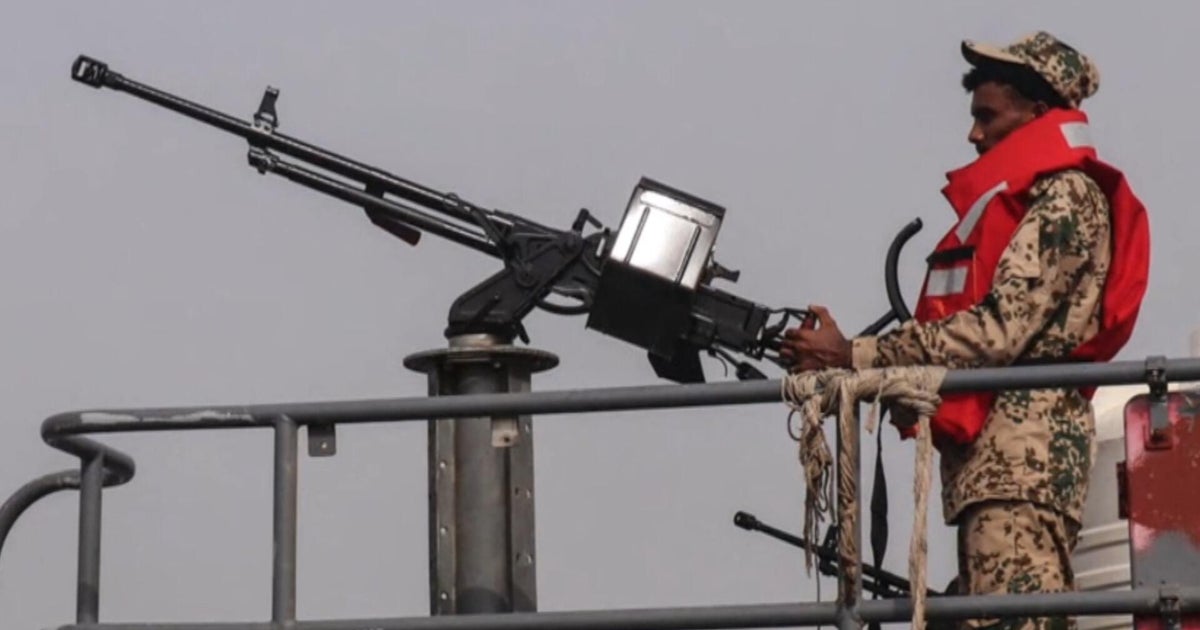
The conflict between Saudi Arabia and Houthi fighters is experiencing a significant escalation, marked by a new wave of attacks. This development signals a potential increase in hostilities in the region. The ongoing tensions have broader implications for regional stability and international relations. Details on the specific nature and targets of the recent attacks are crucial for understanding the current trajectory of the conflict. The involvement of Saudi Arabia and the Houthi movement has long-standing roots, involving complex geopolitical factors and regional power dynamics. Previous rounds of fighting have resulted in significant humanitarian consequences, and any further escalation raises concerns about civilian safety and access to essential resources. International efforts to mediate a peaceful resolution have been ongoing, but the current surge in violence suggests these efforts may face renewed challenges. The strategic importance of the region, coupled with the involvement of major global powers, adds another layer of complexity to the situation. Understanding the motivations and capabilities of both Saudi Arabia and the Houthi forces is key to analyzing the potential outcomes of this renewed fighting. The situation remains fluid, with potential for further developments impacting regional security and global energy markets.
The current intensification of Saudi-Houthi conflict, characterized by a new wave of attacks, warrants careful examination of the underlying strategic incentives for both parties. Escalations often reflect shifts in regional power balances, perceived threats, or attempts to gain leverage in ongoing negotiations. From a systemic perspective, such conflicts highlight the challenges of achieving lasting peace in regions with complex geopolitical rivalries and intertwined security interests. The international community faces the persistent dilemma of balancing humanitarian concerns with the political realities of state sovereignty and non-state actor involvement. Looking ahead, the long-term implications will likely depend on the efficacy of diplomatic interventions, the sustainability of military engagements, and the evolving socio-economic conditions within the affected populations, particularly in the context of resource scarcity and governance challenges.
AI-generated to prompt reflection — not editorial opinion, not advice, not a statement of fact. How this works.