Saudi Arabia Launches Maritime Coalition Amidst Widening Middle East Conflict
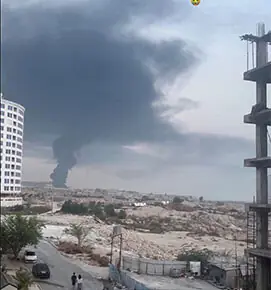
Saudi Arabia has announced the formation of a multinational maritime defense coalition aimed at safeguarding shipping and energy supply routes in the Red Sea region. This initiative was unveiled during a meeting attended by representatives from 43 countries and the European Union, with Saudi Arabia designated as the coalition's leading state and host of its permanent headquarters. The move comes as the conflict in the Middle East intensifies and expands across new fronts. The United States conducted strikes on Iranian Revolutionary Guards' military command centers and drone facilities in retaliation for attacks on U.S. forces. Iran, in turn, claimed these U.S. strikes resulted in civilian casualties and the deaths of Guards members, while also alleging attacks on U.S. assets in Jordan, Kuwait, and Bahrain. Simultaneously, Egypt reported that an unidentified drone caused a fire on two vessels at the port of Damietta, prompting President Abdel Fattah al-Sisi to warn of serious escalation. The proposed Saudi-led coalition intends to bolster maritime security, ensure freedom of navigation, protect international trade, and secure energy supplies through critical waterways like the Bab al-Mandeb Strait and the Red Sea. Fourteen countries, including Pakistan, Turkiye, and Egypt, issued a joint statement supporting the coalition's foundational arrangements. Meanwhile, regional tensions persist, with Iran-aligned Houthi rebels in Yemen having previously threatened naval blockades and claimed attacks on Saudi-linked shipping. Saudi Arabia has responded with air strikes on Houthi facilities. The conflict's expansion was further evidenced by Saudi Arabia joining U.S. strikes on Iran-aligned groups in Iraq, which Riyadh claims were involved in drone attacks on Saudi oil targets originating from Iraq. Iran's state media reported civilian casualties from U.S. strikes and claimed to have attacked U.S. military bases in Jordan, Kuwait, and Bahrain, though the U.S. military denied any damage to its aircraft. The U.S. also imposed new sanctions targeting global networks supporting Mahan Air, an Iranian airline accused of transporting Revolutionary Guards personnel and weapons.
The establishment of a Saudi-led maritime coalition signifies a strategic response to escalating regional instability and threats to global supply chains. This initiative reflects a growing international consensus on the need for collective security measures in vital maritime corridors, particularly the Red Sea and Bab al-Mandeb. The coalition's formation, amidst simultaneous U.S.-Iran military actions and Iranian-backed group activities, highlights the complex geopolitical landscape and the interconnectedness of regional security challenges. The involvement of numerous nations underscores the shared economic and security interests at stake, while the differing levels of commitment, such as the absence of the UAE and Oman from the joint statement, suggest potential nuances in regional alliances and priorities. Looking ahead, the coalition's effectiveness will likely depend on its ability to foster sustained cooperation, establish robust command and control structures, and navigate the intricate web of regional rivalries and proxy conflicts, particularly concerning the Houthi actions and Iran's broader regional influence.
AI-generated to prompt reflection — not editorial opinion, not advice, not a statement of fact. How this works.