Saudi Arabia Leads New Maritime Defense Coalition Amid Regional Tensions
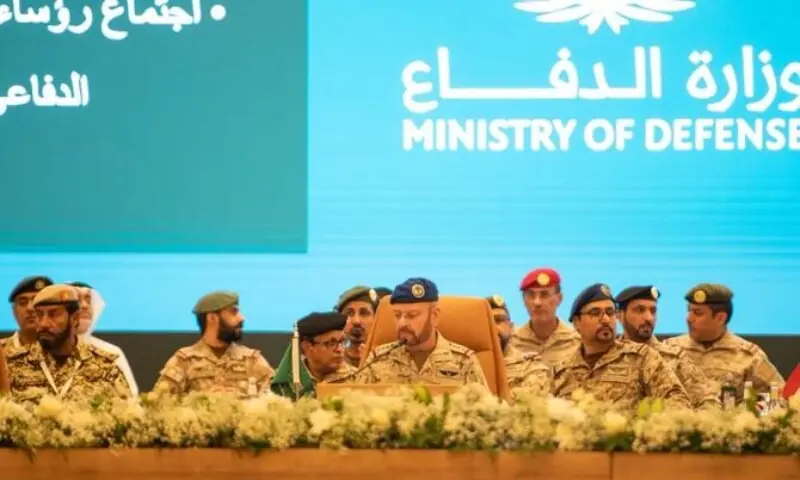
Saudi Arabia has announced the formation of a new maritime defense coalition involving at least 14 countries, including Pakistan, Egypt, and Turkiye. This initiative aims to bolster maritime security in critical waterways such as the Red Sea, Gulf of Aden, and the Bab al-Mandeb strait. The coalition's formation follows recent actions by the Houthi militia, which is aligned with Iran, including a declared blockade of Saudi ports. Many observers interpret the Houthi move as an Iranian tactic to exert pressure, potentially complementing Iran's earlier decisions to restrict passage through the Strait of Hormuz. While Iran's actions may be intended to target the US and its allies, they have had broader repercussions for the international community, including some of Iran's own partners. Consequently, Saudi Arabia's development of this defense coalition appears to be a direct response to Iran's assertive foreign policy and its allies' actions. The article suggests that Iran's hardline stance, driven by mistrust of the US and Israel and potentially influenced by the elimination of more pragmatic figures within its establishment, is leading to its increasing isolation. The author calls for a reconsideration of Iran's rigid approach and urges pragmatic factions within Iran to advocate for improved regional relations. The situation is also noted with interest by Israel, which historically has benefited from regional conflicts. The piece concludes by emphasizing the need for wisdom and restraint from all parties, stressing that the Arab states and Iran must find a way to coexist and resolve their differences peacefully to prevent further escalation.
The formation of a new maritime defense coalition by Saudi Arabia, with support from 14 nations, signifies a strategic alignment shift in response to escalating regional tensions, particularly concerning Iran's actions and its proxies. This development highlights the complex geopolitical dynamics where economic chokepoints become arenas for state-level competition and proxy influence. The coalition's stated aim of enhancing maritime security addresses legitimate concerns over freedom of navigation, but its implicit targeting of Iran's regional posture indicates a potential for increased militarization and a zero-sum approach to regional stability. The situation underscores the persistent challenge of managing inter-state rivalries in critical global trade routes, where diplomatic solutions are often overshadowed by security imperatives. Looking ahead, the efficacy of such coalitions will depend on their ability to foster genuine cooperation and de-escalation, rather than solely serving as instruments of containment, which could inadvertently deepen existing fault lines and create new security dilemmas in the coming decade.
AI-generated to prompt reflection — not editorial opinion, not advice, not a statement of fact. How this works.