Saudi Arabia Plans Futuristic Stadium Over 350 Meters Above Ground for 2034 World Cup
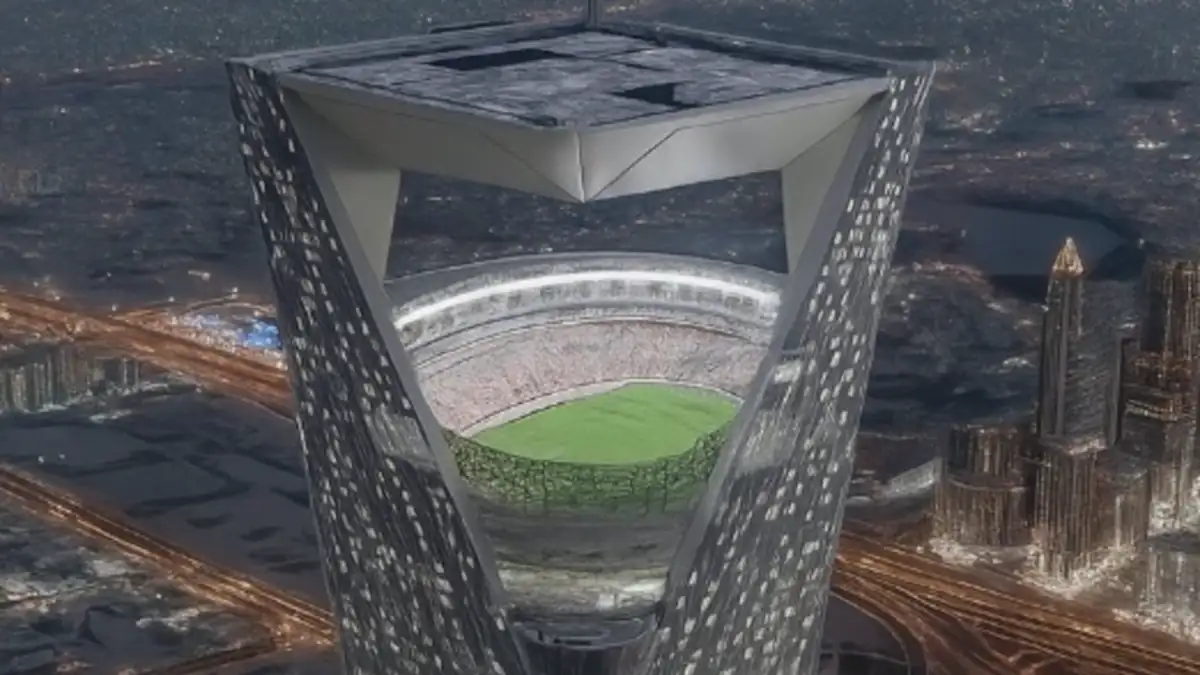
Saudi Arabia is advancing its preparations for the 2034 FIFA World Cup with an ambitious project for a futuristic stadium. Official renderings have been released, showcasing a venue with its playing field situated more than 350 meters above the ground. This groundbreaking design is part of the extensive infrastructure development planned for the tournament, which will feature 48 participating teams. The specific details of the stadium's construction and its unique elevated design are intended to create a memorable experience for players and spectators alike. This initiative highlights Saudi Arabia's commitment to hosting a technologically advanced and visually striking event. The project aims to set a new standard for sports venue architecture and fan engagement. Further information regarding the stadium's capacity, materials, and construction timeline is expected to be released as development progresses. The 2034 World Cup is anticipated to be a significant event for the region, with this stadium serving as a potential centerpiece.
The proposed stadium design represents a significant investment in architectural innovation and a bold statement of intent for Saudi Arabia's hosting of the 2034 World Cup. From a systems perspective, such a high-profile project could drive advancements in engineering, materials science, and sustainable construction techniques, particularly concerning the structural integrity and environmental impact of elevated structures. The economic implications involve substantial capital expenditure, potentially stimulating job creation and related industries, while also raising questions about long-term operational costs and maintenance. Considering the future trajectory of AI and smart infrastructure, the venue could integrate advanced technologies for crowd management, energy efficiency, and fan experience, aligning with broader trends toward digitally enhanced public spaces. The project's success will likely hinge on balancing ambitious design with practical considerations of safety, accessibility, and environmental stewardship, offering a case study in the feasibility of extreme architectural concepts in the coming decade.
AI-generated to prompt reflection — not editorial opinion, not advice, not a statement of fact. How this works.