Saudi Arabia Receives US Approval for Civilian Nuclear Program, Sparking Israeli Concern
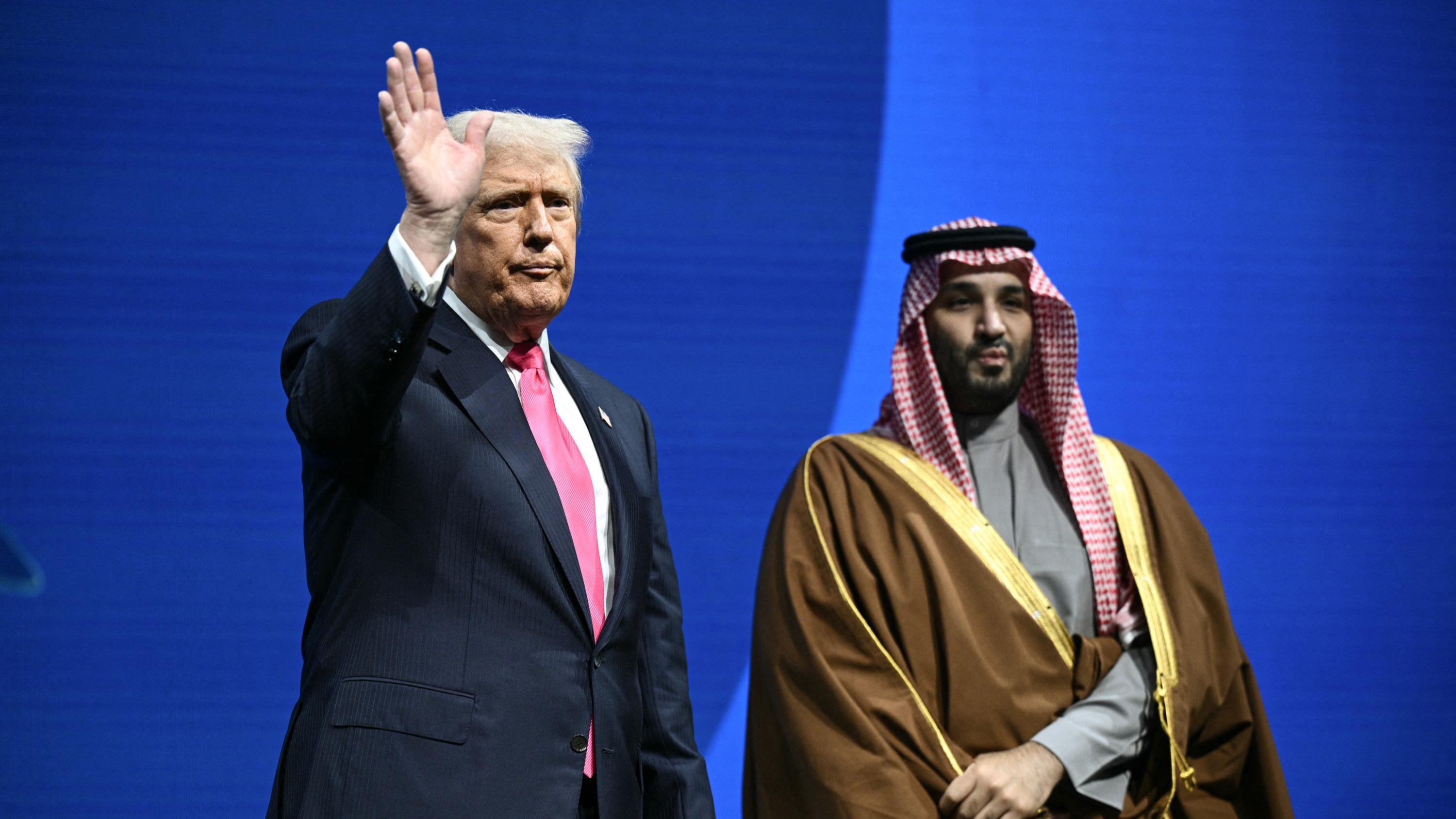
The United States has granted approval for Saudi Arabia to develop its own civilian nuclear program. This decision has been met with significant opposition from Israel, which views the agreement as potentially dangerous. The green light from Washington allows Riyadh to proceed with its nuclear ambitions, a move that has heightened regional tensions. The specifics of the agreement and the safeguards in place are crucial given the sensitive nature of nuclear technology. Israel's strong objections underscore the geopolitical complexities surrounding nuclear proliferation in the Middle East. The development marks a significant step for Saudi Arabia's energy diversification strategy. Further details regarding the scope and oversight of this program are anticipated.
The US approval of Saudi Arabia's civilian nuclear program, despite Israeli objections, highlights the complex interplay of geopolitical alliances, energy security, and non-proliferation concerns. This development could reshape regional power dynamics and energy markets over the next decade. The core challenge lies in balancing Saudi Arabia's energy needs and technological aspirations with robust international safeguards to prevent diversion of nuclear materials. Future scrutiny will likely focus on the transparency and verification mechanisms governing this program, particularly in light of regional stability considerations and the broader implications for nuclear arms control frameworks.
AI-generated to prompt reflection — not editorial opinion, not advice, not a statement of fact. How this works.