Saudi Arabia's Dilemma: Navigating Tensions Between the US and Iran
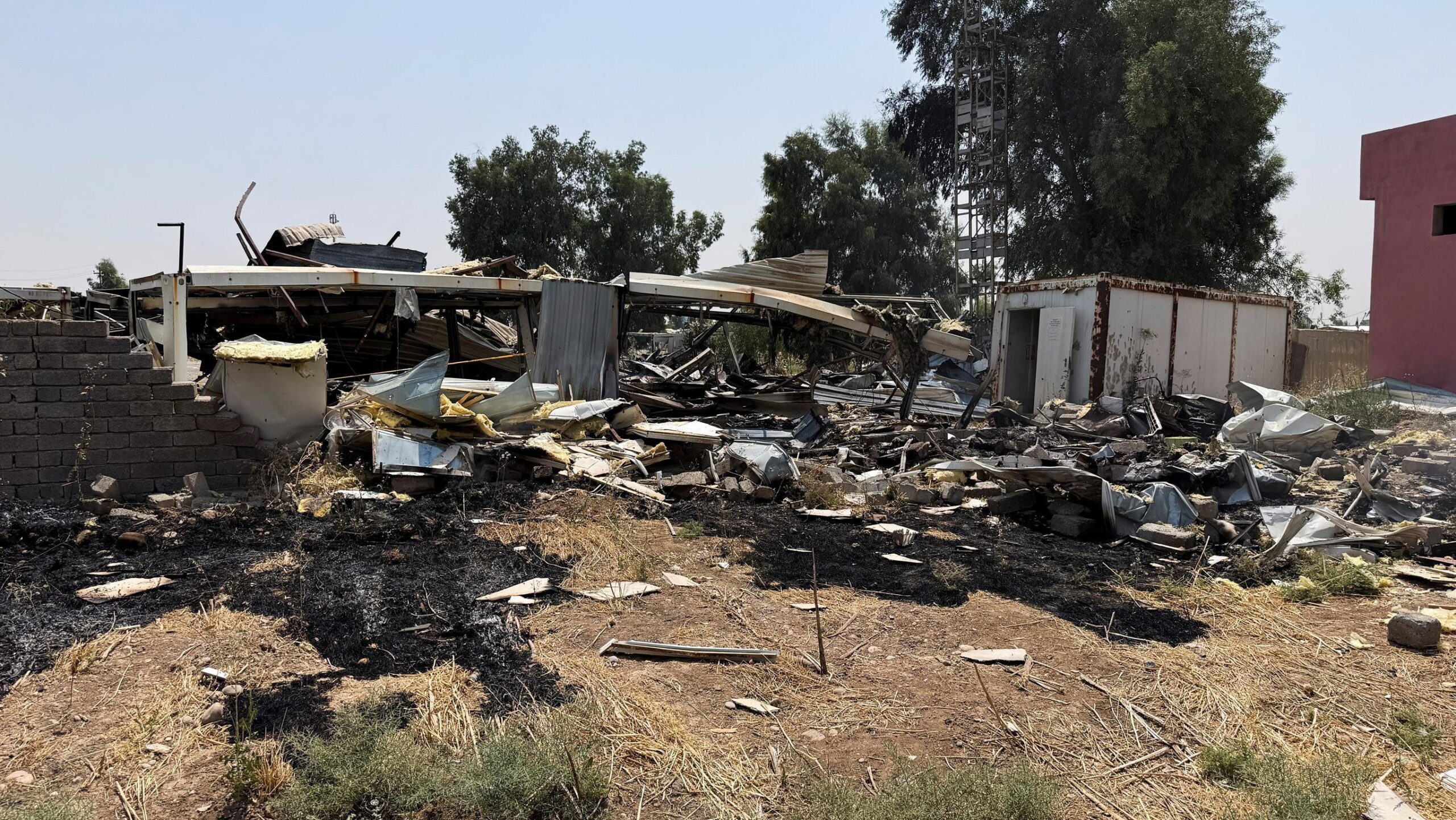
Saudi Arabia is facing a significant dilemma as it attempts to remain neutral in the escalating conflict between the United States and Iran. The kingdom is caught between two strategic options: continuing to respond to attacks with deterrent measures or actively seeking to de-escalate the current tensions. This balancing act is crucial for Saudi Arabia's regional stability and its economic interests. The decision on how to proceed will have far-reaching implications for the security landscape of the Middle East. The kingdom's foreign policy is being tested as it weighs the risks of direct confrontation against the potential benefits of a diplomatic approach. Maintaining a neutral stance while protecting its own interests presents a complex challenge for Riyadh.
Saudi Arabia's strategic position highlights the intricate geopolitical pressures within the Middle East. The kingdom's response to regional provocations, particularly those involving Iran, is shaped by a complex interplay of security concerns, economic dependencies, and diplomatic relationships with global powers like the United States. The core challenge lies in balancing deterrence, which risks escalation, against de-escalation, which could be perceived as weakness. Future regional stability may depend on the development of robust multilateral frameworks that can manage state-level rivalries and prevent localized conflicts from drawing in major global actors. The long-term implications of these decisions will influence energy markets, international trade routes, and the broader arc of technological and societal development in the region.
AI-generated to prompt reflection — not editorial opinion, not advice, not a statement of fact. How this works.