Saudi Arabia's Football Ambitions: Towards Financial Sustainability
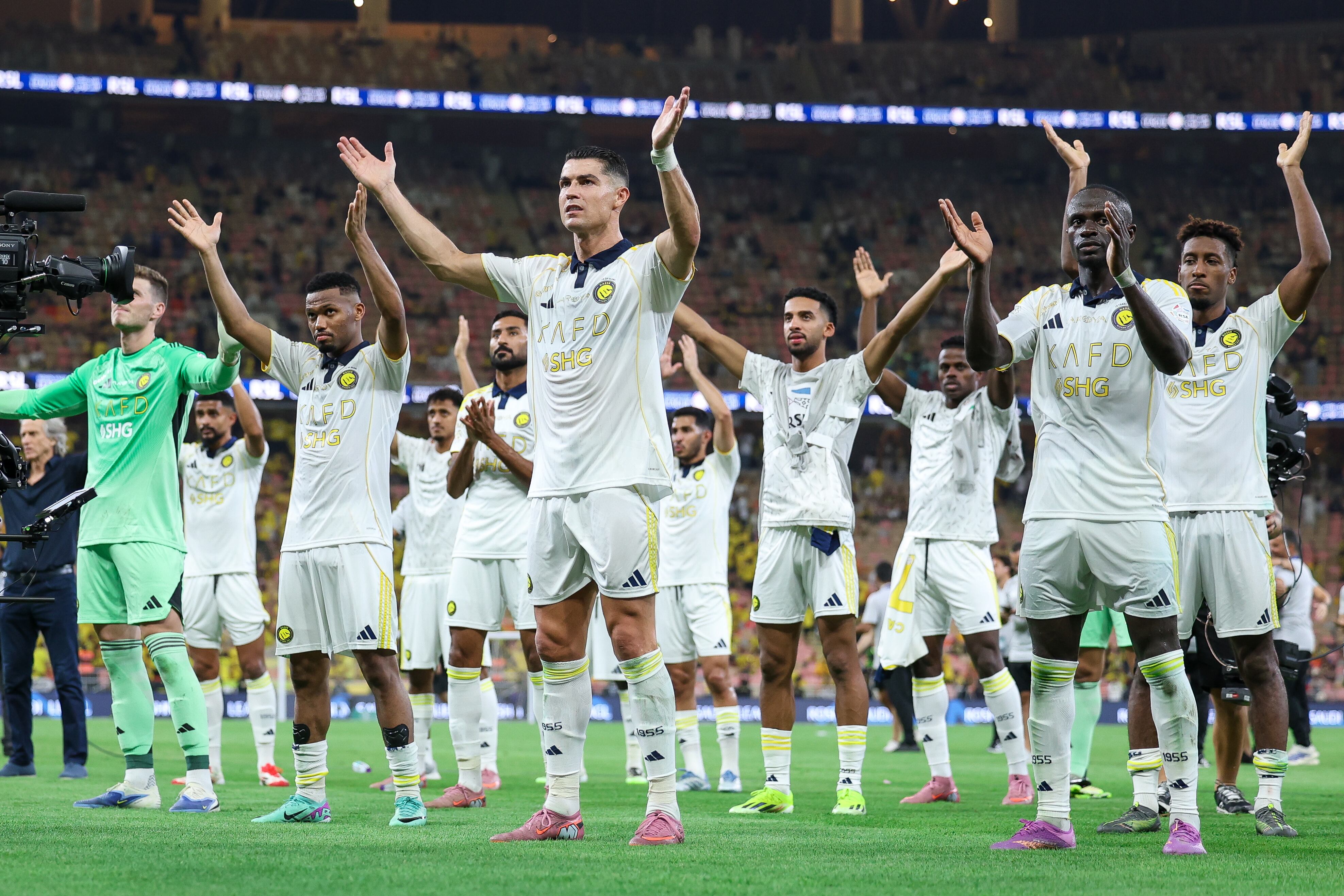
Saudi Arabia is implementing a new growth model for its football sector, characterized by a push towards privatization and significant investment in infrastructure. This strategic shift aims to make the sport financially self-sufficient within the country. The government's vision involves developing robust facilities and potentially bringing in private entities to manage and invest in football clubs and leagues. This move is part of a broader economic diversification strategy, reducing reliance on oil revenues and fostering new industries. The focus on infrastructure suggests a long-term commitment to enhancing the quality of football, from grassroots development to professional leagues. This initiative is expected to attract foreign investment and expertise, further bolstering the sport's development. The ultimate goal is to create a sustainable football ecosystem that can thrive independently and contribute to the national economy.
Saudi Arabia's strategic investment in football infrastructure and privatization signals a calculated effort to leverage sports as a vehicle for economic diversification and soft power projection. By fostering a self-sustaining sports economy, the nation aims to reduce its dependence on traditional revenue streams and cultivate new avenues for growth. This approach, while potentially boosting economic activity and international engagement, also presents challenges related to governance, fair competition, and the long-term impact on global football markets. The success of this model will hinge on transparent management, equitable distribution of resources, and its ability to integrate into the existing global sports landscape without creating undue market distortions.
AI-generated to prompt reflection — not editorial opinion, not advice, not a statement of fact. How this works.
