Saudi Arabia's Uranium Enrichment: A Key Issue in US Nuclear Deal
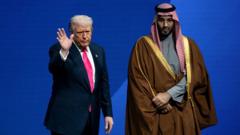
Saudi Arabia may become a rare exception in its nuclear agreement with the United States. Reports indicate that the kingdom might be permitted to enrich uranium domestically. This potential exception is a significant point of contention within the broader nuclear discussions between the two nations. The ability to enrich uranium domestically is a sensitive issue due to its dual-use nature, as it can be a step towards developing nuclear weapons. The US has historically sought to limit the spread of such capabilities, particularly in the Middle East. However, Saudi Arabia's strategic interests and its desire for energy independence appear to be driving this push for domestic enrichment. The specifics of the agreement and the level of enrichment allowed remain unclear. This development could set a precedent for future nuclear cooperation agreements in the region. The international community will be closely watching the outcome of these negotiations.
The potential for Saudi Arabia to domestically enrich uranium within a US nuclear agreement introduces complex geopolitical and non-proliferation considerations. While the kingdom cites energy independence and technological advancement as drivers, the international community's concern centers on the risk of proliferation. Balancing a nation's sovereign right to nuclear technology for peaceful purposes against global security imperatives requires robust verification mechanisms and transparent governance. The long-term implications of such an agreement could reshape regional nuclear dynamics and influence future non-proliferation treaties, particularly in an era where energy security and technological self-sufficiency are increasingly prioritized.
AI-generated to prompt reflection — not editorial opinion, not advice, not a statement of fact. How this works.