Saudi Arabia Shifts from Restraint to Retaliation Against Iran and Allies
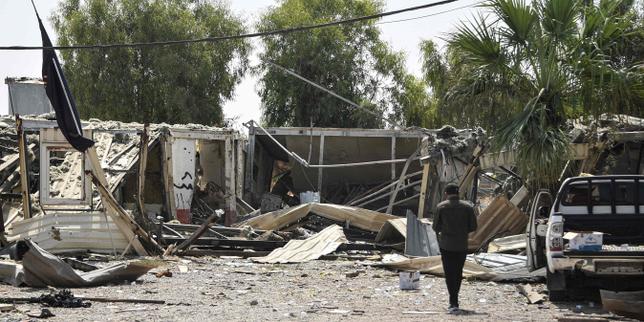
Saudi Arabia has transitioned from a policy of restraint to one of active retaliation against Iran and its allied networks. Previously cautious about direct confrontation, Riyadh is now openly acknowledging its military operations targeting Tehran-backed groups. This strategic shift appears to be a response to escalating attacks on Saudi energy infrastructure and the increasing vulnerability of its export routes. The kingdom may find itself compelled to deepen its involvement in the ongoing conflict as these threats persist. The situation reflects a significant evolution in Saudi Arabia's regional security posture.
Saudi Arabia's strategic pivot from restraint to retaliation against Iran-backed entities signifies a recalibration of regional power dynamics. This shift, driven by perceived threats to critical energy infrastructure and trade routes, suggests a growing intolerance for asymmetric warfare tactics. The move could indicate a proactive approach to securing national interests, potentially influenced by evolving geopolitical alliances and domestic economic imperatives. Future developments will likely hinge on the effectiveness of these retaliatory measures, the international community's response, and Iran's counter-actions, shaping the stability of energy markets and regional security over the next decade.
AI-generated to prompt reflection — not editorial opinion, not advice, not a statement of fact. How this works.