Saudi Arabia Strikes Yemen's Hodeida Port After Houthi Attacks on Oil Tankers
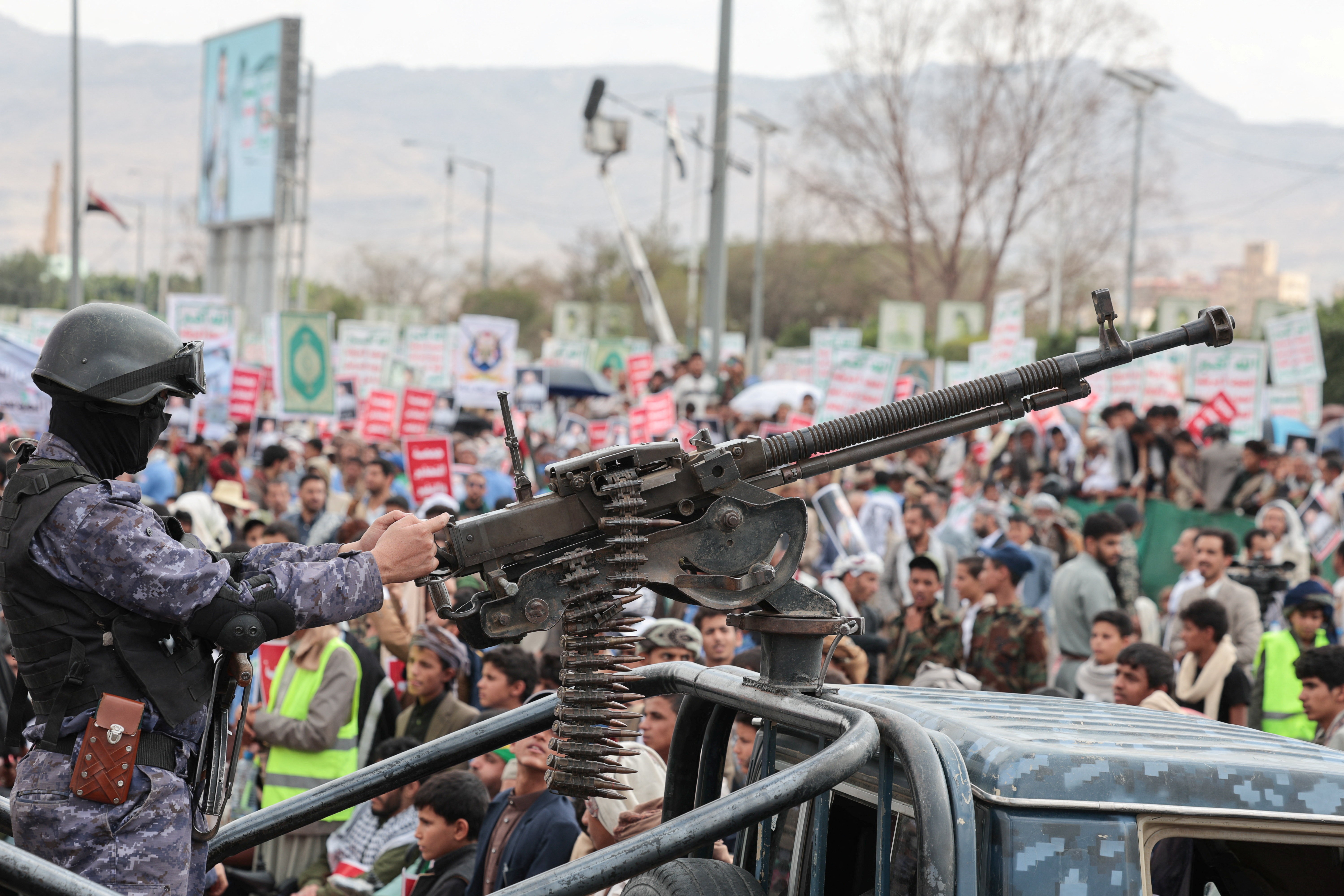
Saudi Arabia launched strikes on the Yemeni port city of Hodeida on Friday, according to Yemeni Houthi-run Al Masirah TV. This action is seen as a potential counteroffensive against the Iran-aligned Houthi group, which controls significant parts of Yemen and is considered rebel by Saudi Arabia, the US, and much of the international community. The strikes followed claims by the Houthis earlier in the week of attacking two Saudi oil tankers, which they stated violated a naval blockade imposed by the rebels at the entrance to the Red Sea. The Houthis, controlling northern and western Yemen, announced this naval blockade against Saudi Arabia in support of Iran, following a Saudi airstrike on an Iranian airport. This move has potentially opened a new front in the ongoing conflict. The blockade directly impacts the Bab el-Mandeb strait, also known as the "Gate of Tears," a crucial waterway connecting the Red Sea to the Gulf of Aden and providing access to the Indian Ocean. Millions of barrels of Saudi oil transit this route daily, supplying markets in Asia and Europe. This route had become an alternative to the Strait of Hormuz, which has experienced severely disrupted traffic since the war began. Reuters reported that Iran sent military personnel and weaponry to the Houthis this month to bolster their blockade of Bab el-Mandeb, suggesting Tehran's intent to strengthen its allies in the renewed conflict with the United States and enhance the group's capacity to threaten Red Sea shipping. The Bab el-Mandeb strait is the Middle East's largest oil export route after the Strait of Hormuz.
The reported Saudi airstrikes on Hodeida and the Houthi blockade of the Bab el-Mandeb strait represent a significant escalation in the Yemen conflict, with international maritime trade routes now directly implicated. The involvement of Iran in supplying military resources to the Houthis suggests a broader geopolitical struggle playing out in the region, potentially increasing regional instability and impacting global energy markets. This dynamic highlights the complex interplay between regional rivalries, proxy warfare, and the strategic importance of key maritime chokepoints. Future developments will likely depend on the diplomatic responses of major global powers and the sustained capacity of both sides to project force and maintain their respective strategic objectives.
AI-generated to prompt reflection — not editorial opinion, not advice, not a statement of fact. How this works.