Saudi Arabia, UAE, and Israel Align: Is Trump Building an Anti-Iran Bloc?
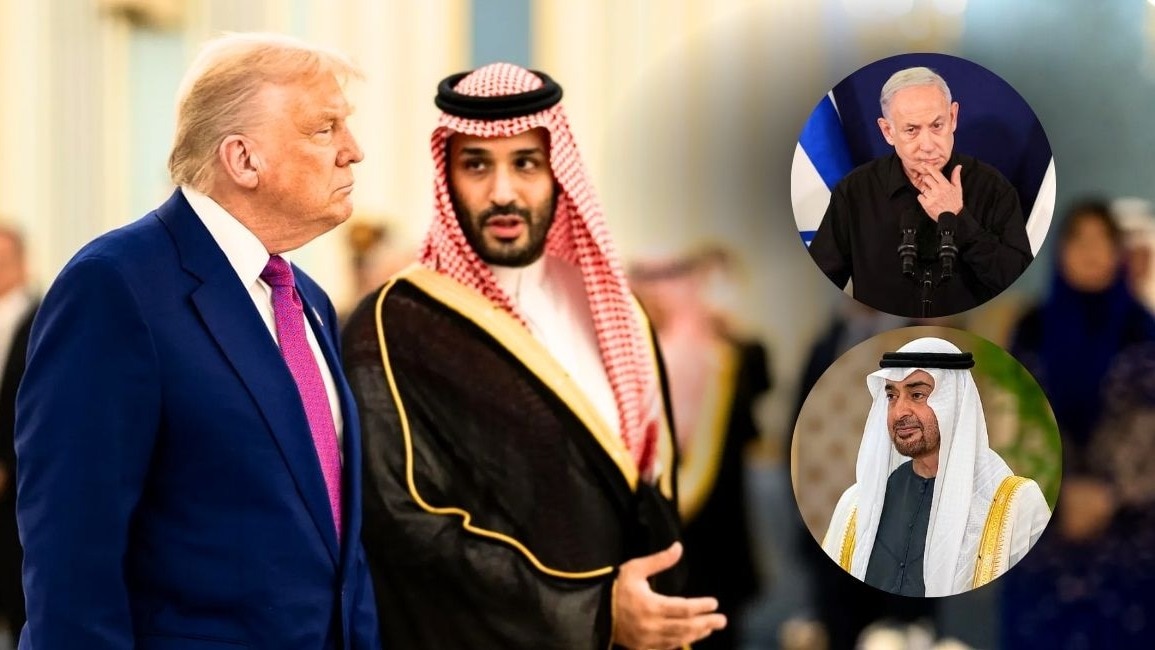
Saudi Arabia is reportedly pursuing a civilian nuclear program, seeking normalized relations with Israel, and establishing a new security framework with the UAE. This evolving regional landscape raises questions about whether former U.S. President Donald Trump is orchestrating a major strategy to contain Iran in West Asia. The shifting dynamics involve a potential nuclear arms race, the implications of the Abraham Accords, and a recalculation of regional power balances. Observers are analyzing the intricate connections between these developments and their potential impact on the geopolitical stability of the Middle East. The convergence of interests among Saudi Arabia, the UAE, and Israel suggests a coordinated effort to counter Iranian influence. Understanding this complex web of alliances and rivalries is crucial for comprehending the future trajectory of the region. The pursuit of nuclear capabilities by regional players adds another layer of complexity to an already volatile geopolitical environment. The Abraham Accords have significantly altered the traditional alliances and rivalries, creating new opportunities and challenges for all stakeholders involved.
The reported alignment among Saudi Arabia, the UAE, and Israel, potentially influenced by former President Trump's strategic objectives, suggests a significant recalibration of West Asian power dynamics. This development warrants examination through the lens of regional security architectures and the potential for escalating arms races, particularly concerning nuclear capabilities. The interplay between the Abraham Accords, nascent security frameworks, and individual state ambitions highlights the complex incentive structures driving foreign policy in the region. Future analysis should consider how these evolving alliances might address systemic challenges, such as regional stability and the containment of perceived threats, while also navigating the inherent risks of increased geopolitical tension and proliferation. The long-term implications for global security and the potential for unintended consequences should be carefully assessed.
AI-generated to prompt reflection — not editorial opinion, not advice, not a statement of fact. How this works.