Saudi Crown Prince Urges Trump Against New Major Military Strikes on Iran
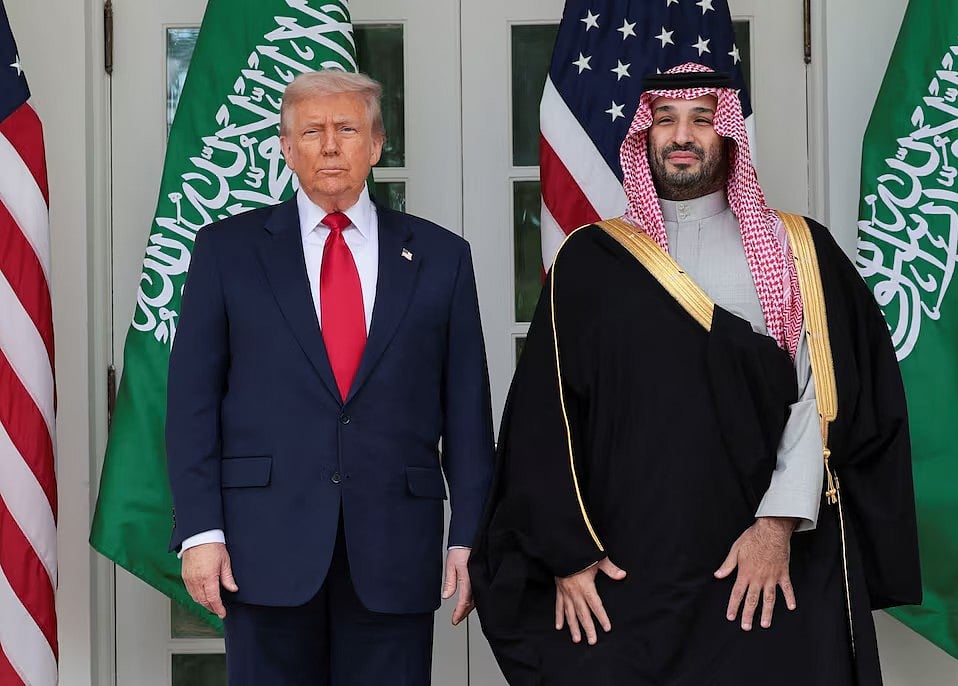
Saudi Crown Prince and de facto ruler Mohammed bin Salman (MBS) has called on U.S. President Donald Trump to refrain from launching new, large-scale military attacks against Iran. MBS reportedly expressed concern over plans for significant new strikes during a phone call with Trump last Saturday, according to two U.S. officials and another source familiar with the matter. Trump is said to be seriously considering strikes on Iran's energy-related facilities within days, as a response to Iran's missile attack on a U.S. military base in Jordan and its obstruction of shipping in the Strait of Hormuz. However, no final order has been given. Such an escalation could intensify the conflict, which has been ongoing for five months, with temporary lulls achieved through Trump's previous offers of dialogue. Following the failure of diplomatic efforts, retaliatory attacks have resumed.
Iran has warned that it will retaliate against Israel and key infrastructure in Gulf states if the U.S. launches an attack. A U.S. official, speaking anonymously, stated that Saudi Arabia has conveyed its concerns about potential U.S. actions and sought clarification on the strike plans. Another source indicated that Mohammed bin Salman urged Trump to de-escalate tensions and abandon the strike decision. The White House and the Saudi Embassy in Washington declined to comment on these reports. Earlier, Saudi Defense Minister Prince Khalid bin Salman met with Trump on Wednesday, following a meeting with U.S. Vice President Mike Pence, where he reiterated Saudi Arabia's desire for de-escalation with Iran. This meeting with Trump was added to his schedule afterward. Despite a joint U.S.-Saudi operation against Iran-backed militias in Iraq earlier this week, Saudi leadership has also signaled a desire to prevent wider conflict. These meetings were reportedly held to convey MBS's perspective on the ongoing conflict with Iran and the broader regional situation. Saudi Arabia is a key U.S. ally in the Middle East, and despite some recent strain in relations, Riyadh has influenced several significant decisions by the Trump administration concerning Iran.
The diplomatic overtures from Saudi Arabia and other regional actors like Qatar, Turkey, and Pakistan highlight a shared interest in preventing further military escalation between the U.S. and Iran. This situation underscores the complex geopolitical incentives at play, where allies balance their security relationships with major powers against the risks of regional conflict. The involvement of intermediaries like Pakistan's Army Chief suggests a recognition of the need for de-escalation mechanisms beyond direct bilateral channels. The underlying tension stems from competing strategic objectives and the potential for miscalculation in a volatile region. Future policy decisions will likely weigh the immediate security concerns against the long-term economic and stability implications of sustained conflict, particularly in relation to global energy markets.
AI-generated to prompt reflection — not editorial opinion, not advice, not a statement of fact. How this works.
