Saudi, Israeli Leaders Advise Trump on Iran Conflict
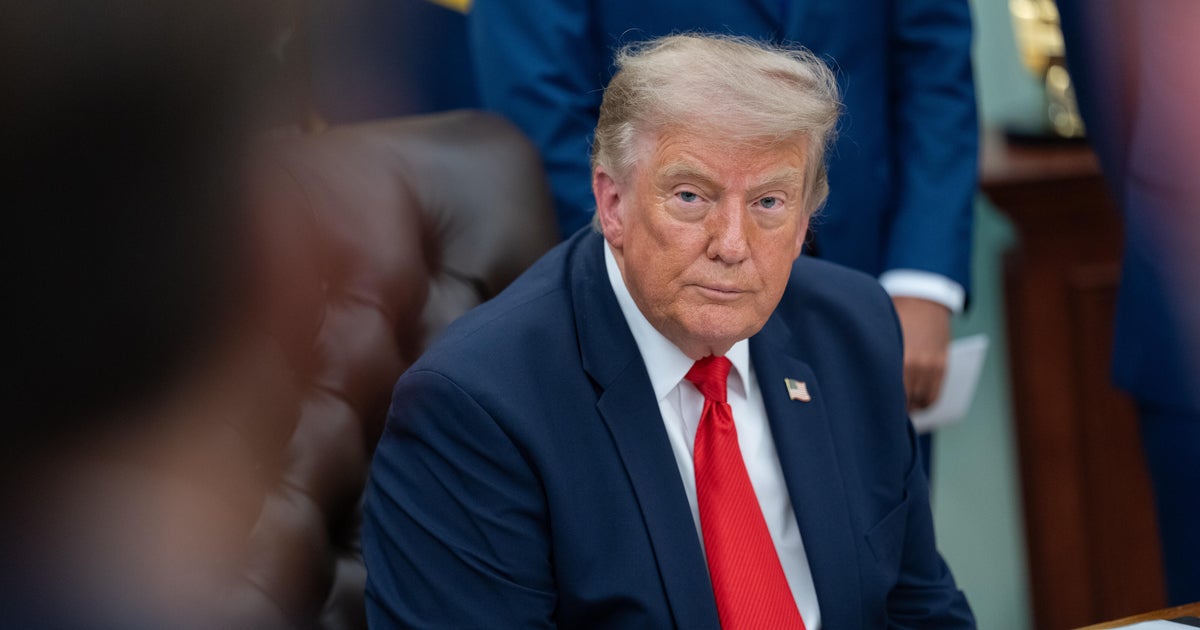
Saudi Arabia's defense minister and Israeli Prime Minister Benjamin Netanyahu met with former U.S. President Donald Trump earlier this week to discuss the ongoing conflict with Iran. The meetings occurred as the conflict entered its sixth month. During his discussions with Trump, Prime Minister Netanyahu presented three distinct strategic options concerning the war. The specific details of these options and the nature of the input from the Saudi defense minister were not disclosed in the report. The meetings highlight a continued engagement between these regional leaders and a prominent U.S. political figure on matters of international security and conflict.
This interaction suggests a complex geopolitical landscape where regional powers are actively seeking influence and strategic alignment with key international actors, even outside formal governmental structures. The engagement by former President Trump indicates a persistent interest in shaping foreign policy discussions, potentially influencing future U.S. foreign policy irrespective of current office. The focus on Iran reflects ongoing regional tensions and the strategic importance of the conflict's trajectory. The presentation of multiple options by Prime Minister Netanyahu implies a proactive approach to conflict management, seeking diverse avenues for resolution or escalation. Understanding the underlying incentives for each party—Saudi Arabia's regional security concerns, Israel's perceived threats, and Trump's potential political leverage—is crucial for assessing the long-term implications of such dialogues on global stability and diplomatic frameworks.
AI-generated to prompt reflection — not editorial opinion, not advice, not a statement of fact. How this works.