Saudi oil tankers reroute from Red Sea amid Houthi naval blockade threat
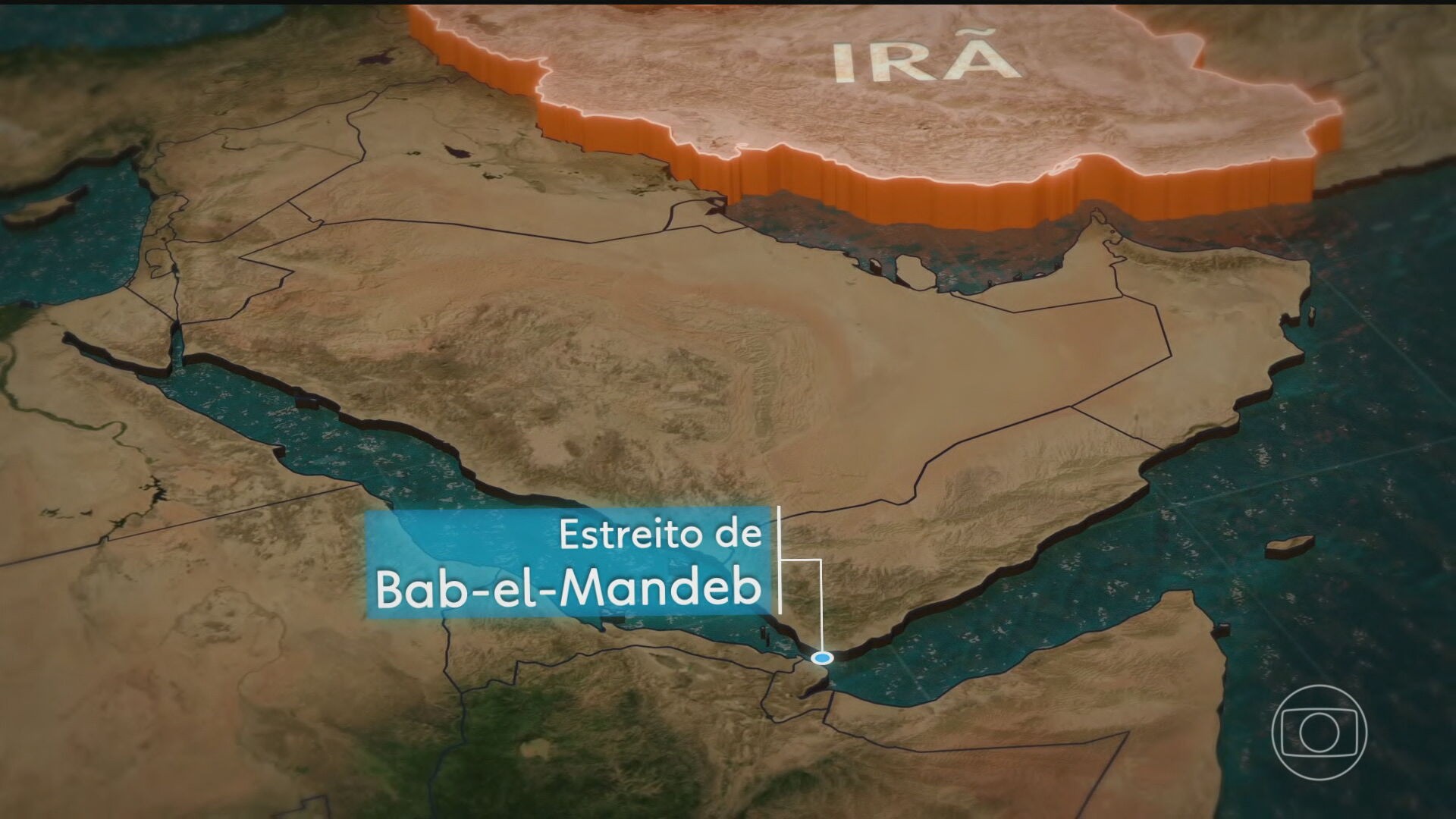
Two Saudi oil tankers bound for China and India have altered their course in the Red Sea, turning back towards the Suez Canal. This decision follows a declaration by the Houthi group of a naval blockade against Saudi Arabia and a threat to close the vital Bab Al-Mandeb Strait. The rerouting represents the first tangible impact of the Houthi blockade, which is expected to significantly affect Saudi Arabia economically by forcing a much longer and more expensive route around Africa. The Bab Al-Mandeb Strait is a critical chokepoint, connecting the Red Sea to the Indian Ocean and is the second-largest oil export route from the Middle East, handling approximately 9% of global oil volume. The Houthi military spokesperson, Yahya Saree, stated the embargo is in response to Saudi Arabia's nearly 12-year "siege" and "looting" of their resources. This action comes after reports that the Houthis were on alert to close the strait if the United States attacked Iranian energy infrastructure, which occurred recently. The decision to close the strait was reportedly discussed between Iranian leadership and Houthi representatives, with Iran's Islamic Revolutionary Guard Corps (IRGC) potentially controlling the timing of such a move. The Houthis, considered part of Iran's regional "Axis of Resistance," have previously threatened Saudi oil facilities and recently launched missiles against Saudi Arabia, breaking a four-year truce.
The Houthi declaration of a naval blockade against Saudi Arabia and the threat to close the Bab Al-Mandeb Strait represent a significant escalation in regional tensions, leveraging control over critical maritime trade routes. This action highlights the strategic importance of chokepoints in global energy supply chains and the potential for non-state actors to disrupt international commerce. The incident underscores the interconnectedness of regional conflicts, demonstrating how actions in one theater, such as US strikes on Iranian infrastructure, can trigger retaliatory measures through proxy groups in another. The economic implications for Saudi Arabia and global energy markets are substantial, as rerouting tankers incurs higher costs and extended delivery times. This situation prompts consideration of how international maritime security can be maintained in the face of asymmetric threats and the complex geopolitical dynamics involving Iran, its proxies, and global powers.
AI-generated to prompt reflection — not editorial opinion, not advice, not a statement of fact. How this works.