Saudi Prince Dies of Overdose in Luxury London Hotel
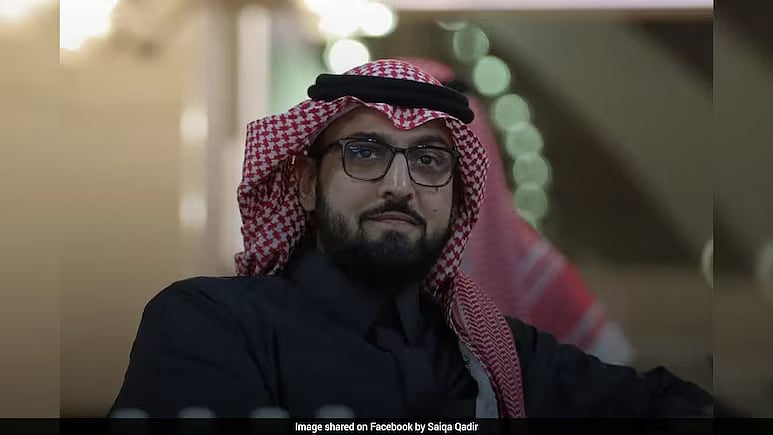
A 29-year-old Saudi prince, Abdullah bin Fahad bin Abdullah bin Abdulaziz bin Jalawi Al Saud, died from a drug overdose in a luxury hotel in London. His body was discovered in the bathroom of the five-star Marriott Hotel in Kensington, West London, on November 25th of last year. A recent post-mortem and toxicology report released by the court revealed that the prince had nearly three times the normal level of alcohol in his system at the time of death. Additionally, harmful substances including GHB, commonly known as a party drug, cannabis, and multiple painkillers like Xanax were found in his body. The court was informed that the prince had a long-standing addiction to excessive alcohol consumption and Xanax. He had undergone treatment at the expensive 'Priory Clinic' in southwest London for approximately three months prior to his death, with weekly treatment costs around £35,000 (about 5.2 million Bangladeshi Taka). He also received treatment at another clinic named 'Rainford Hall' in Merseyside. Hotel records indicate Prince Abdullah booked a room for a week starting November 19th. CCTV footage showed him leaving the room to smoke the evening before his death. The following day, a cleaner found him lying in the locked bathroom of a room on the fifth floor, still clothed. Paramedics attempted to revive him, but he was pronounced dead by medical professionals. Assistant Coroner Jane Harkin confirmed that CCTV footage did not show any other individuals entering the room, and no suicide note was found. Therefore, the death was not ruled a suicide but an accidental fatality. Prince Abdullah was a descendant of a great-grandson of the current Saudi King Salman.
This incident highlights the complex challenges faced by individuals, including those from privileged backgrounds, in managing substance abuse and addiction. The prince's documented history of seeking treatment at high-cost private clinics suggests significant efforts were made to address his issues, yet the outcome points to the persistent nature of severe addiction. The official conclusion of accidental death, rather than suicide, underscores the potential for fatal consequences when combining prescribed medications with illicit substances and alcohol, even in a supervised or controlled environment like a hotel. This case may prompt reflection on the accessibility and effectiveness of addiction treatment services, particularly for individuals with complex needs and substantial financial resources, and the critical importance of comprehensive aftercare and relapse prevention strategies.
AI-generated to prompt reflection — not editorial opinion, not advice, not a statement of fact. How this works.