Saxony Celebrates 331 Students Achieving Top 'Einser' Abitur Grades
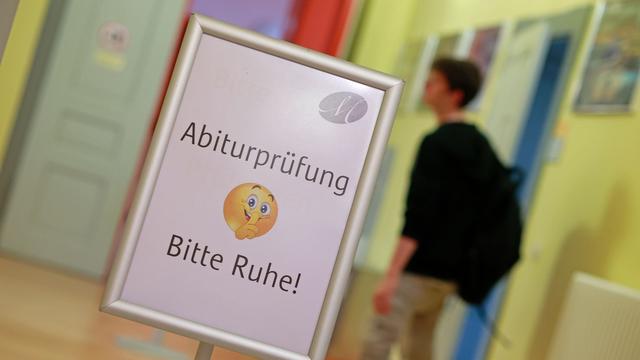
In the German state of Saxony, a remarkable 331 students have successfully achieved the highest possible grade, known as 'Einser' (1.0), in their Abitur examinations. The Abitur is the final secondary school examination that students in Germany must pass to be admitted to university. This significant number of students attaining top marks highlights a strong academic performance within the state's educational system. These high achievers represent the culmination of years of dedicated study and rigorous academic preparation. The 'Einser' grade is highly competitive and signifies exceptional understanding and mastery of the subjects tested. The success of these 331 students is a testament to their hard work and the quality of education provided in Saxony. This achievement is a cause for celebration for the students, their families, and the educational institutions they attended. It sets a high standard for future cohorts and reflects positively on Saxony's commitment to academic excellence.
The high number of students achieving top Abitur grades in Saxony suggests a potential alignment between educational standards and student performance, or it could indicate a system that consistently produces academically strong graduates. Further analysis would involve examining the criteria for grading, the curriculum's rigor, and comparing these results with national and international benchmarks over time. Understanding the factors contributing to this success could offer valuable insights for educational policy development, potentially identifying best practices that could be replicated elsewhere. It also prompts consideration of how educational systems can foster both broad access to quality education and the cultivation of exceptional talent.
AI-generated to prompt reflection — not editorial opinion, not advice, not a statement of fact. How this works.