Saxony Governor Kretschmer: Coalition Decisions Fall Far Short on Reforms
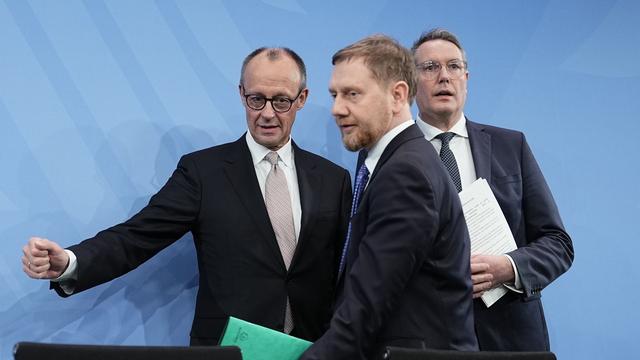
Saxony's Governor Michael Kretschmer has stated that the decisions made by the governing coalition are insufficient to address the pressing need for reforms. He expressed his view that the current agreements do not go far enough in tackling the challenges facing the country. Kretschmer emphasized that more decisive and comprehensive measures are required to ensure Germany's future competitiveness and societal well-being.
He believes that the coalition's current path risks stagnation and fails to adequately prepare the nation for future economic and social shifts. The governor's remarks highlight a significant divergence of opinion within the political landscape regarding the urgency and scope of necessary reforms. Kretschmer's call for more ambitious action suggests a concern that incremental changes will not be enough to meet the scale of the challenges ahead.
Governor Kretschmer's critique points to a potential disconnect between political consensus and the perceived pace of necessary structural change. The tension between coalition agreements and the demand for more substantial reforms reflects a common governance challenge: balancing immediate political feasibility with long-term strategic imperatives. This dynamic may indicate that current policy frameworks are struggling to adapt to the accelerating pace of technological disruption and global economic shifts, potentially creating a lag between societal needs and governmental response. The governor's statement prompts consideration of whether existing decision-making processes are sufficiently agile to address the complex, interconnected challenges of the coming decade, such as climate transition and digital transformation.
AI-generated to prompt reflection — not editorial opinion, not advice, not a statement of fact. How this works.