Saxony's Energy Consumption Declines Again in 2024
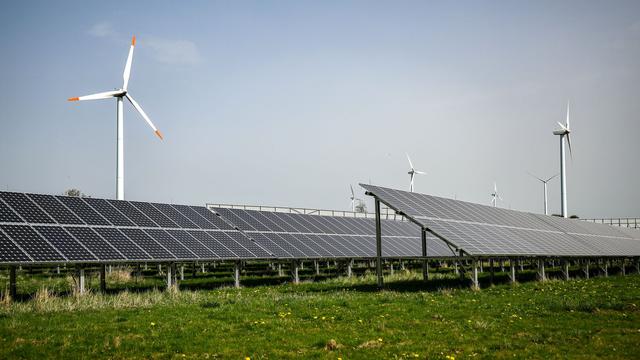
Saxony has once again seen a reduction in its energy consumption for the year 2024. This trend indicates a continued effort within the German state to manage and decrease its overall energy usage. The specific figures and the breakdown of energy sources contributing to this decline are detailed in the energy balance report. This reduction is a significant indicator of the state's progress towards energy efficiency and potentially its transition to more sustainable energy practices. Further analysis of the report will likely reveal the sectors or activities that have contributed most to this decrease. The consistent downward trend suggests that policies and initiatives aimed at energy conservation are having a tangible impact. Saxony's commitment to reducing energy consumption aligns with broader national and international goals for environmental protection and resource management. The full implications of this energy balance for the state's economy and environment will become clearer as more detailed data is analyzed. This development is a positive sign for Saxony's long-term energy strategy.
Saxony's declining energy consumption in 2024, continuing a previous trend, suggests a potential alignment of state-level policies with broader decarbonization objectives. This reduction could stem from a combination of increased energy efficiency measures across industries and households, a shift towards renewable energy sources, and possibly structural economic changes that lead to lower energy intensity. From a systems perspective, sustained energy reduction is critical for meeting climate targets and enhancing energy security by reducing reliance on volatile global energy markets. The long-term challenge will be to ensure this trend continues without negatively impacting economic growth, by fostering innovation in green technologies and sustainable consumption patterns. Evaluating the specific drivers behind this reduction will be key to replicating its success and addressing any potential trade-offs.
AI-generated to prompt reflection — not editorial opinion, not advice, not a statement of fact. How this works.