SC Councilman's Proposal to Kill Stray Dogs Leads to Dismissal of Impeachment Case
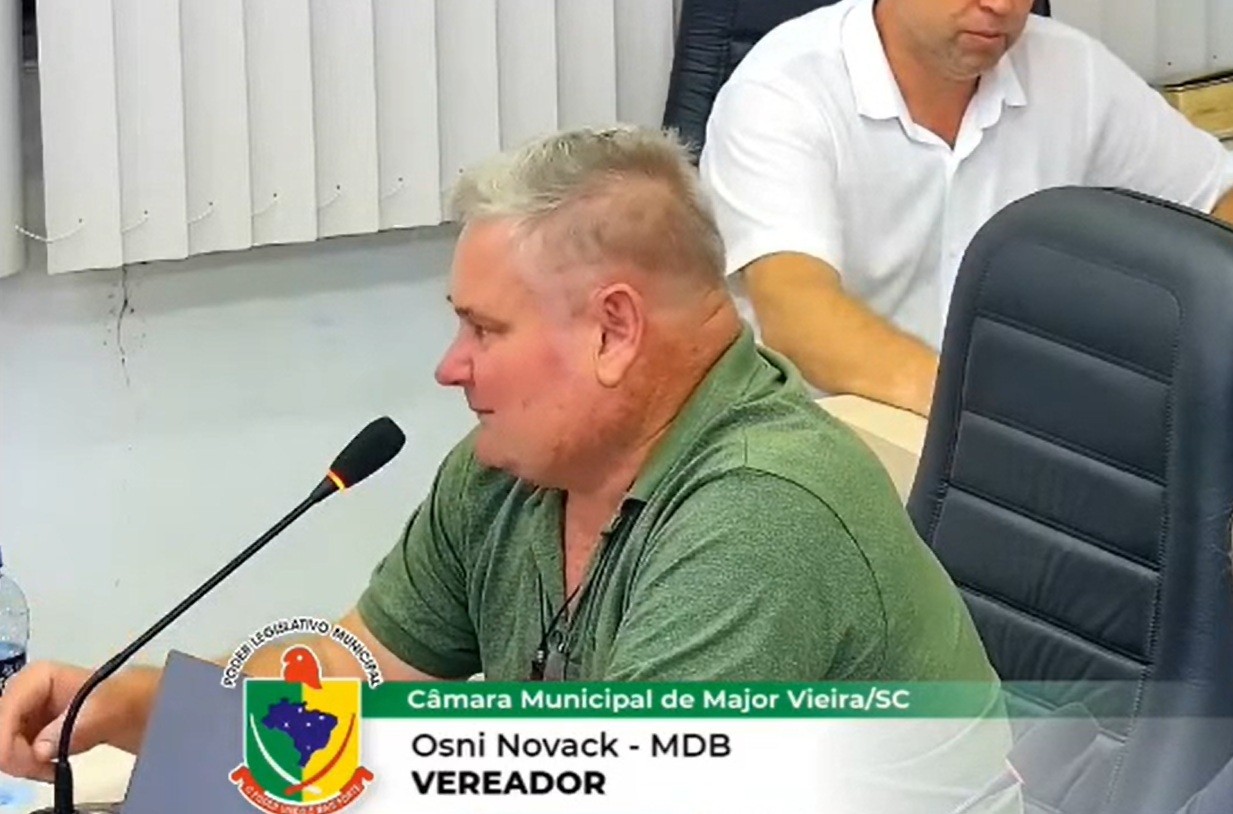
The City Council of Major Vieira, a town in Santa Catarina, Brazil, unanimously voted on Thursday, May 9th, to dismiss an impeachment process against councilman Osni Novack (MDB). Novack had proposed killing stray dogs in the city during a council session in March. The process was initiated after Novack suggested that "someone had to do a little job" regarding the stray animals, amidst discussions of dog attacks on residents. His defense stated that the "isolated incident was mitigated by the councilman's immediate and public retraction." The rapporteur, Talita Regina Rodrigues (PSD), acknowledged Novack's "unfortunate and reprehensible" remarks, which offended societal sensibilities, but deemed impeachment a disproportionate measure. She recommended a public warning as a pedagogical measure. However, the council's plenary rejected any disciplinary action against Novack by a vote of six to two, definitively closing the matter. During the session, Novack criticized the legal consequences for those who harm dogs, stating that killing stray dogs should be considered if there were no animal advocates. He drew a comparison to a murder case where public attention was minimal, contrasting it with the severe legal repercussions for harming an animal. Brazil's animal cruelty law criminalizes acts of abuse, mistreatment, injury, or mutilation of animals, with fines ranging from R$1,500 to R$50,000, potentially reaching R$1 million with aggravating factors. The Major Vieira prefecture had previously stated its non-endorsement of animal violence and its commitment to strengthening public policies for animal welfare. Novack's legal defense emphasized the absence of a justifiable cause for his removal, citing that his speech did not constitute a breach of decorum and that his prompt retraction mitigated the incident.
The unanimous dismissal of the impeachment proceedings against Councilman Osni Novack, despite his controversial statements regarding the culling of stray dogs, highlights a complex interplay between public sentiment, legal frameworks, and political expediency. While Novack's remarks were widely acknowledged as insensitive and potentially harmful, the council's decision to prioritize a proportional response, ultimately opting for no disciplinary action, suggests a prioritization of political stability or a perceived lack of egregious misconduct warranting removal. This outcome raises questions about the effectiveness of existing mechanisms for holding public officials accountable for inflammatory speech, particularly when balanced against the right to free expression and the nuances of legislative debate. Future governance may benefit from clearer guidelines on the threshold for 'breach of decorum' and the appropriate range of sanctions for elected officials whose public statements, even if retracted, can cause significant public concern and potentially incite harmful attitudes towards vulnerable populations or species.
AI-generated to prompt reflection — not editorial opinion, not advice, not a statement of fact. How this works.