Scabies Threatens Wombats: Exploring Optimal Diagnostic Methods
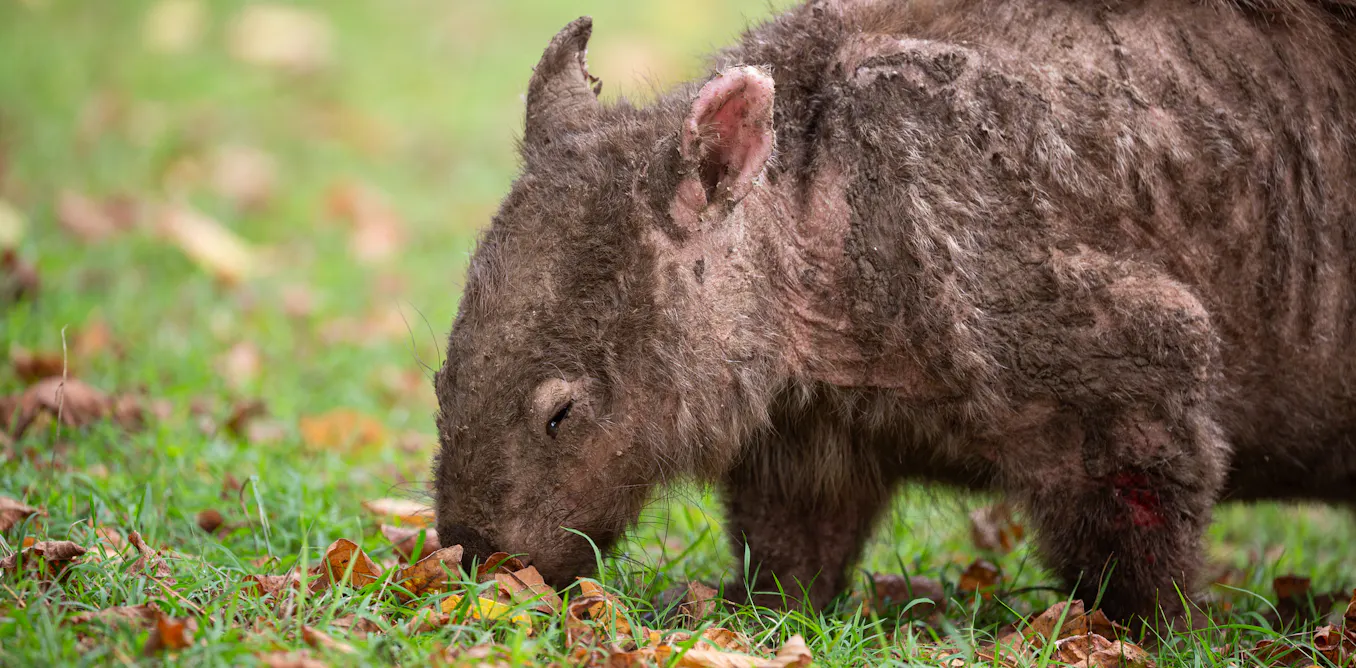
The microscopic scabies mite poses a significant threat to animal health, particularly impacting Australia's bare-nosed wombat population by burrowing beneath their skin. This parasitic infestation can lead to severe illness and even death in affected animals. The challenge lies in accurately and efficiently diagnosing scabies, especially in wildlife populations that are difficult to access and handle. Early and precise diagnosis is crucial for implementing timely treatment strategies and preventing the spread of the disease within wombat communities and to other species. Researchers are investigating various diagnostic approaches to identify the most effective methods for detecting scabies in these animals. The goal is to develop protocols that are minimally invasive, reliable, and suitable for field application, ensuring the welfare of the wombats while combating this debilitating condition. Understanding the best diagnostic techniques will be key to protecting vulnerable wildlife from the devastating effects of scabies.
The parasitic scabies mite presents a clear threat to wildlife populations, exemplified by its impact on Australian wombats. The core challenge identified is the development of effective diagnostic tools for wild animals, which necessitates balancing diagnostic accuracy with animal welfare and logistical feasibility. Future strategies will likely involve leveraging advancements in veterinary diagnostics, potentially including non-invasive sampling methods or remote sensing technologies, to improve early detection rates. This proactive approach is essential for mitigating disease spread and preserving biodiversity in the face of emerging zoonotic and wildlife health challenges.
AI-generated to prompt reflection — not editorial opinion, not advice, not a statement of fact. How this works.