Scavenger animals may be key to Australia's bird flu spread, experts say
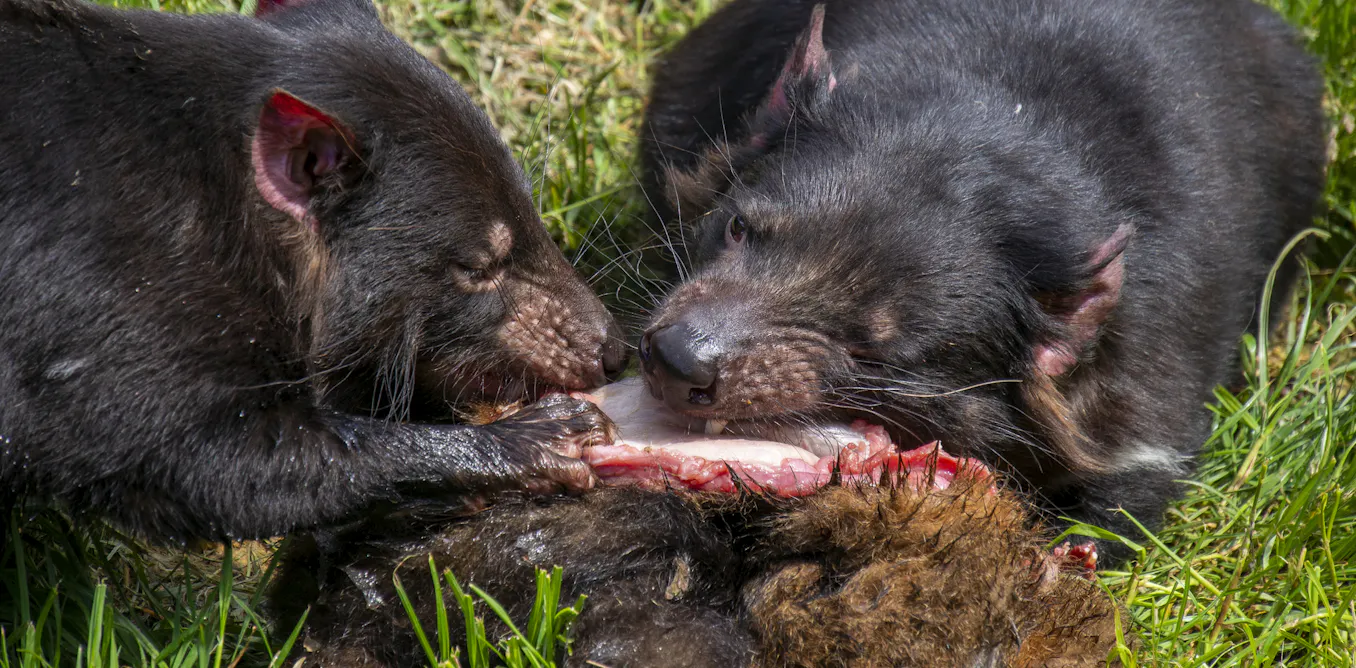
Experts are warning that scavenger animals could be playing a crucial role in the spread of the H5N1 bird flu strain across Australia. These animals, which feed on the carcasses of infected birds, may be inadvertently accelerating the transmission of the virus. The current response strategies may not be adequately accounting for this transmission pathway. Understanding the behavior and movement of these scavengers is therefore vital for effective control measures. Further research into their role is needed to develop comprehensive strategies. This highlights a potential gap in current surveillance and containment efforts. Addressing this could be the missing link in Australia's efforts to curb the spread of avian influenza.
The potential role of scavenger animals in avian influenza transmission introduces a complex ecological dimension to disease control. This highlights the need for integrated surveillance systems that monitor wildlife populations and their interactions with domestic poultry. Public health strategies must consider the broader ecosystem when formulating containment plans, as disruptions to natural processes can have unintended consequences. Future responses may benefit from incorporating ecological modeling to predict and mitigate risks associated with wildlife vectors, ensuring a more holistic and effective approach to biosecurity.
AI-generated to prompt reflection — not editorial opinion, not advice, not a statement of fact. How this works.