Schönbrunn Zoo's Ostrich Breeding Program Faces Challenges
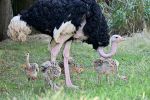
The Schönbrunn Zoo is facing significant challenges in its natural breeding program for ostrich chicks. Wild populations of this species are critically endangered, with a maximum of only 1,000 individuals remaining globally. Ostriches are recognized as the largest and heaviest birds on the planet. The zoo's efforts are crucial for the conservation of this species, given the dire state of its wild counterparts. The program aims to ensure the survival of ostriches through careful management and natural rearing techniques. This initiative highlights the broader issues of biodiversity loss and the importance of zoological institutions in conservation efforts. The success of Schönbrunn's program could provide valuable insights for other conservation projects worldwide.
The critically low wild population of ostriches underscores a global trend of biodiversity decline, driven by factors such as habitat loss and climate change. Zoological institutions like Schönbrunn play a vital role in captive breeding programs, serving as genetic reservoirs and potential sources for reintroduction efforts. However, the inherent challenges in natural rearing within a zoo environment, even with dedicated programs, reflect the complex interplay between species' natural behaviors and artificial settings. Future conservation strategies will likely need to integrate advanced ecological modeling and potentially novel approaches to habitat restoration to bolster wild populations effectively, moving beyond solely relying on captive breeding as a long-term solution.
AI-generated to prompt reflection — not editorial opinion, not advice, not a statement of fact. How this works.