Schengen Area: Understanding Europe's Zone of Free Movement
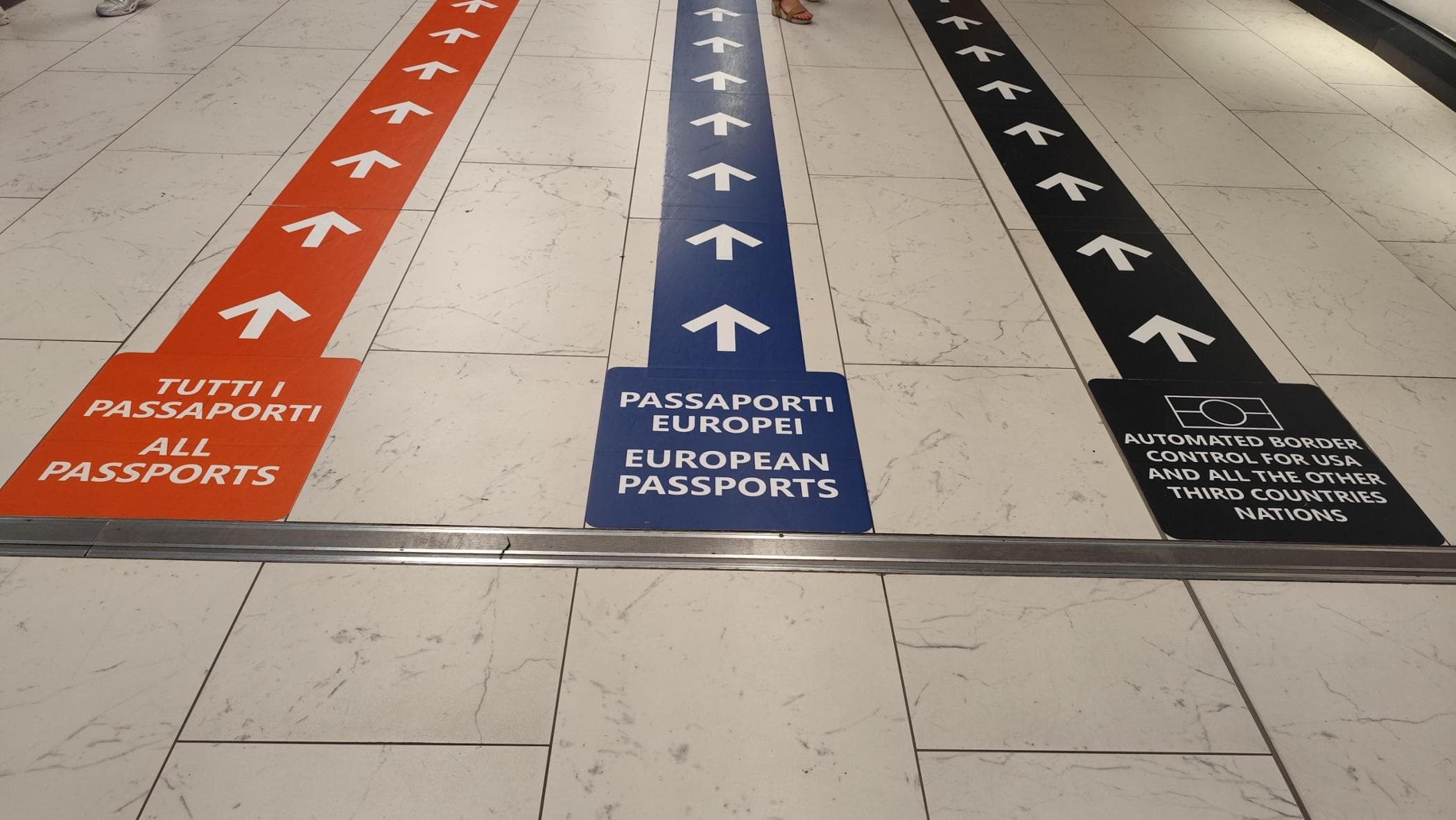
The Schengen Area is a zone comprising 27 European countries that have officially abolished all types of border control at their mutual borders. This agreement allows for free movement of people, goods, services, and capital among member states. The concept originated from the Schengen Agreement signed on June 14, 1985, in Schengen, Luxembourg. The primary goal is to facilitate travel and trade within the participating nations, creating a unified external border for security purposes while internal borders are largely open.
Access to the Schengen Area is generally granted to citizens of member states and many non-member countries for short stays, typically up to 90 days within a 180-day period, for tourism or business. However, specific regulations and visa requirements apply to individuals from countries not part of the visa-waiver program. The article also touches upon potential limitations, such as Italy considering adopting measures against Spain, implying that while the area promotes free movement, member states can still implement certain controls or restrictions under specific circumstances, often related to security or public order concerns.
The Schengen Area represents a significant achievement in European integration, embodying the principle of free movement. Its success hinges on a delicate balance between open borders internally and robust external border management. The mention of potential limitations, such as Italy's considerations regarding Spain, highlights the inherent tension between national sovereignty and supranational cooperation. Future challenges will likely involve adapting the Schengen framework to evolving security threats, migration dynamics, and the digital transformation of borders, all while maintaining public trust and economic benefits.
AI-generated to prompt reflection — not editorial opinion, not advice, not a statement of fact. How this works.