Scholars Urge Congress to Consider Proportional Representation to Combat Gerrymandering
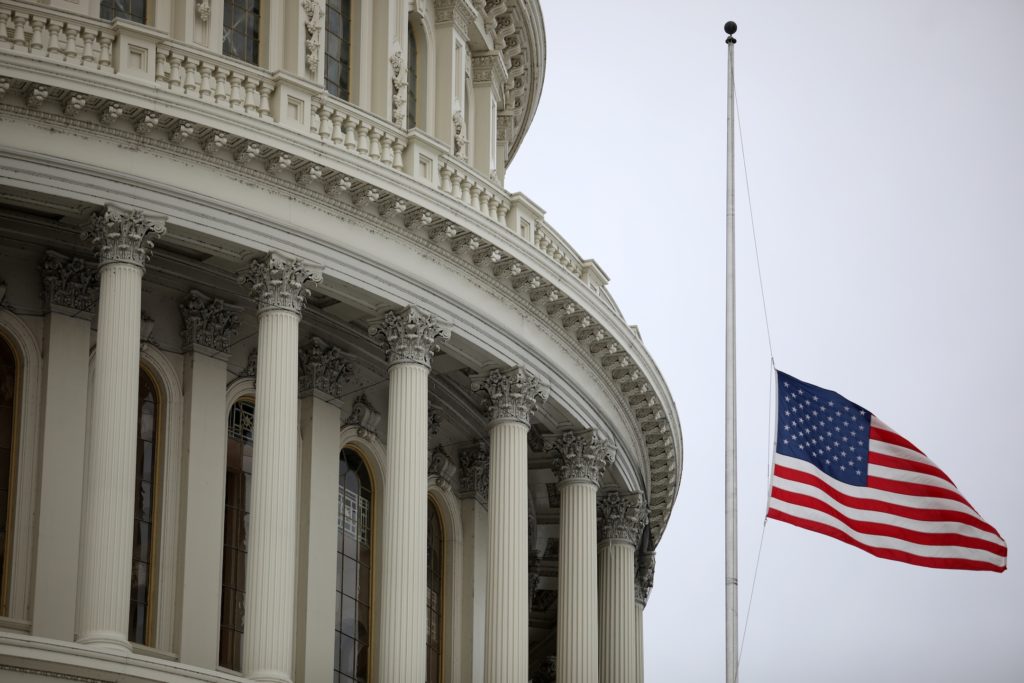
A group of scholars has sent an open letter to Congress, advocating for the adoption of proportional representation as a solution to the persistent issues surrounding redistricting battles and gerrymandering. These contentious redistricting fights have become a recurring theme in political news, prompting the scholars to highlight their negative consequences. The proposal was discussed with Stanford law professor Pamela Karlan as part of an ongoing series focused on democracy. The scholars believe that proportional representation could fundamentally alter the way electoral districts are drawn and the resulting political landscape. This approach contrasts with the current system, which often leads to partisan advantage through strategic district manipulation. By shifting to proportional representation, the aim is to create a more equitable and representative political system. The group hopes this call to action will encourage lawmakers to explore alternative electoral reforms beyond the status quo. Their initiative seeks to foster a more robust and less contentious democratic process.
The call for proportional representation stems from concerns over gerrymandering, a practice that can distort electoral outcomes and undermine public trust. Proportional representation systems, by design, aim to allocate legislative seats in proportion to the votes received by parties, potentially mitigating the incentive for drawing hyper-partisan districts. This approach could foster a political environment where broader consensus-building is encouraged, rather than zero-sum partisan warfare. However, the transition to such a system involves significant structural changes and potential trade-offs, including impacts on the relationship between constituents and their representatives, and the dynamics of coalition formation. Evaluating this proposal requires considering its long-term effects on political stability, voter engagement, and the overall health of democratic institutions in the coming decade.
AI-generated to prompt reflection — not editorial opinion, not advice, not a statement of fact. How this works.