School Attendance Inflation Skims Millions from Education Funds
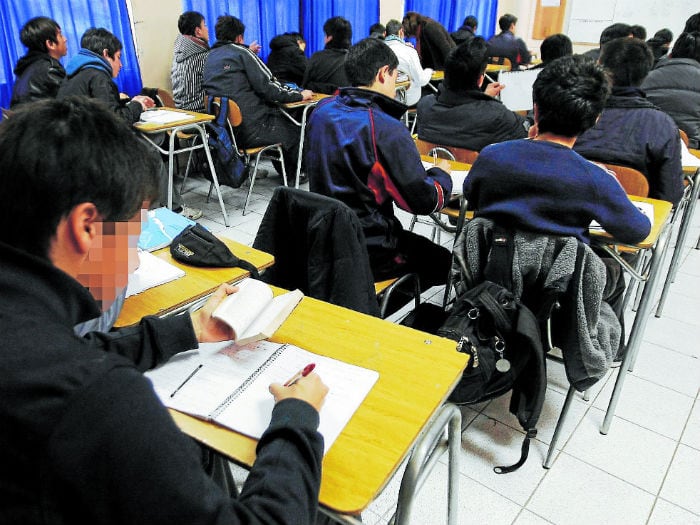
A study analyzing audits from Chile's Superintendencia de Educación between 2013 and 2016 has revealed that a significant portion of schools overreported student attendance. This practice is critical because school subsidies, which in 2015 amounted to over US$5.3 billion (2.2% of GDP), are calculated based on average attendance. When schools falsely report absent students as present, they improperly capture funds. The research estimates that the average school inflates its attendance by 2.5%, with identified "manipulators" reaching a rate of 12%. Preliminary analysis for preschool institutions suggests even higher inflation rates. A concerning pattern emerged: schools with lower performance on the Simce standardized test were more likely to overreport attendance. This indicates that the current financing mechanism disproportionately directs more resources to lower-quality educational institutions. The author, Bernardo Lara E., a professor at UNAB's Faculty of Economics and Business, suggests that the solution is not to eliminate attendance incentives but to redesign them. Options to reduce manipulation include implementing more robust verification mechanisms, utilizing technology, imposing more deterrent sanctions, or revising the funding formulas altogether. This comes as the Ministry of Education (Mineduc), led by Minister María Paz Arzola, plans to focus on "spending efficiency" due to financial constraints.
The analysis of school attendance data highlights a systemic vulnerability within educational funding mechanisms that links financial incentives to reported student presence. The finding that lower-performing schools are more prone to inflating attendance suggests a potential feedback loop where financial shortfalls, exacerbated by poor educational outcomes, incentivize manipulative practices. This situation warrants a review of the subsidy allocation formula to ensure it accurately reflects actual student engagement and does not inadvertently reward schools struggling with student retention or academic performance. Future reforms could explore technological solutions for real-time attendance tracking or alternative funding models less susceptible to manipulation, thereby ensuring public funds are allocated equitably and effectively to support genuine educational improvement.
AI-generated to prompt reflection — not editorial opinion, not advice, not a statement of fact. How this works.