School bench vandalized with threats after AI-generated student photos scandal
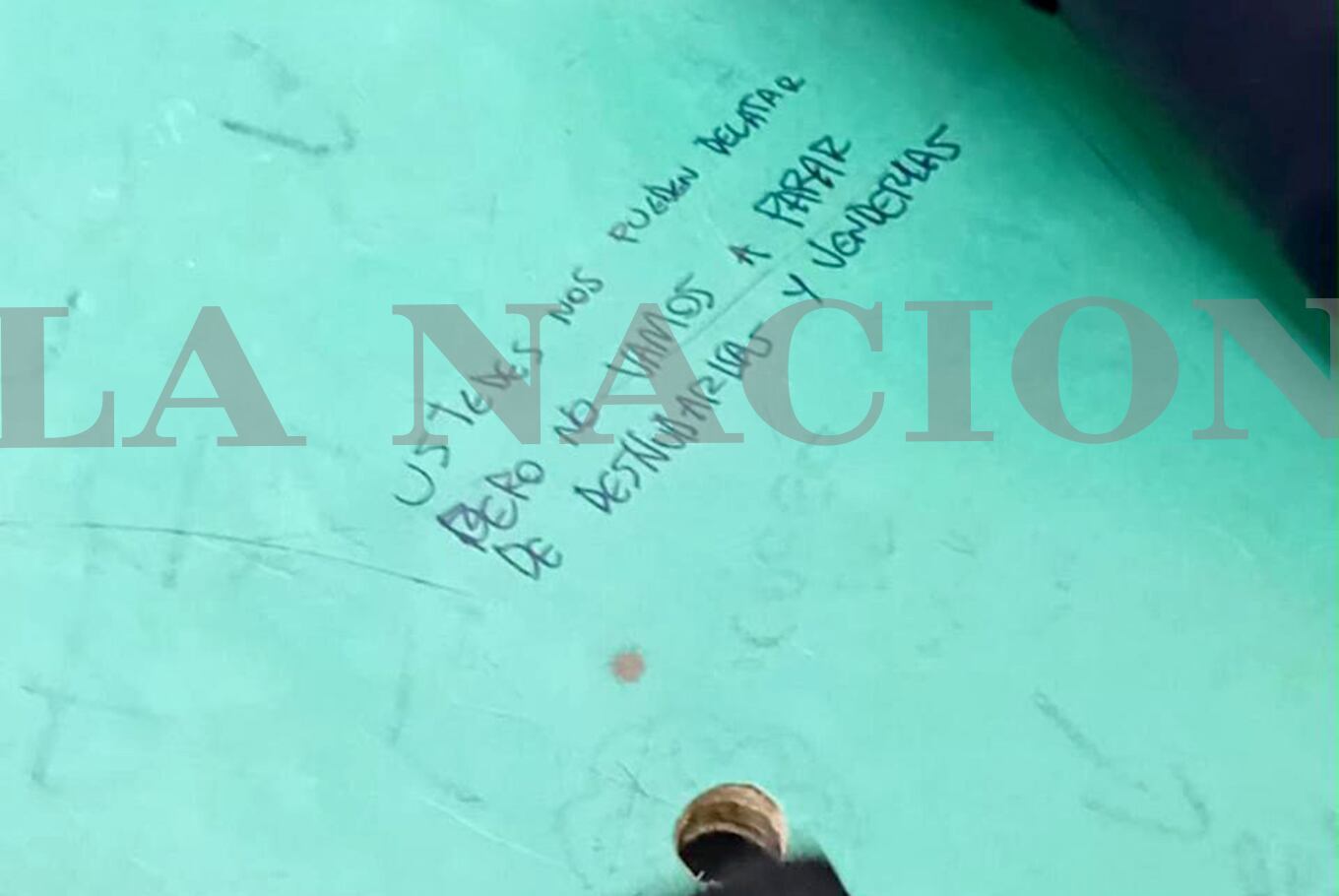
A bench at the Carlos Pellegrini Higher School of Commerce in Argentina was defaced with a threatening message following a scandal involving the distribution and sale of manipulated images of female students. The images were reportedly created using artificial intelligence and sourced from social media. The graffiti, which translates to 'We are not going to stop undressing them and selling them,' appeared after students came forward to denounce the illicit dissemination of their likenesses. This incident highlights a disturbing trend of using AI for malicious purposes, specifically targeting young women. The school is now grappling with the fallout from this privacy violation and the aggressive threats made against its students. The situation underscores the urgent need for robust digital privacy measures and ethical guidelines surrounding AI image generation. Authorities are expected to investigate the graffiti and the underlying image dissemination scheme.
The incident at the Carlos Pellegrini School reveals a critical intersection of emerging AI capabilities and persistent societal issues of privacy violation and exploitation. The use of artificial intelligence to generate and disseminate non-consensual imagery of students represents a significant ethical challenge, potentially enabling new forms of harassment and abuse. This event underscores the growing need for regulatory frameworks that address the creation and distribution of synthetic media, particularly when it infringes upon individual privacy and safety. As AI technology advances, the potential for misuse escalates, necessitating proactive strategies from educational institutions and technology developers to safeguard individuals, especially minors, from such digital threats. The long-term implications involve not only legal and ethical considerations but also the psychological impact on victims and the erosion of trust in digital platforms.
AI-generated to prompt reflection — not editorial opinion, not advice, not a statement of fact. How this works.