School Cell Phone Ban: 85% of Teachers Report Improved Student Performance in DF
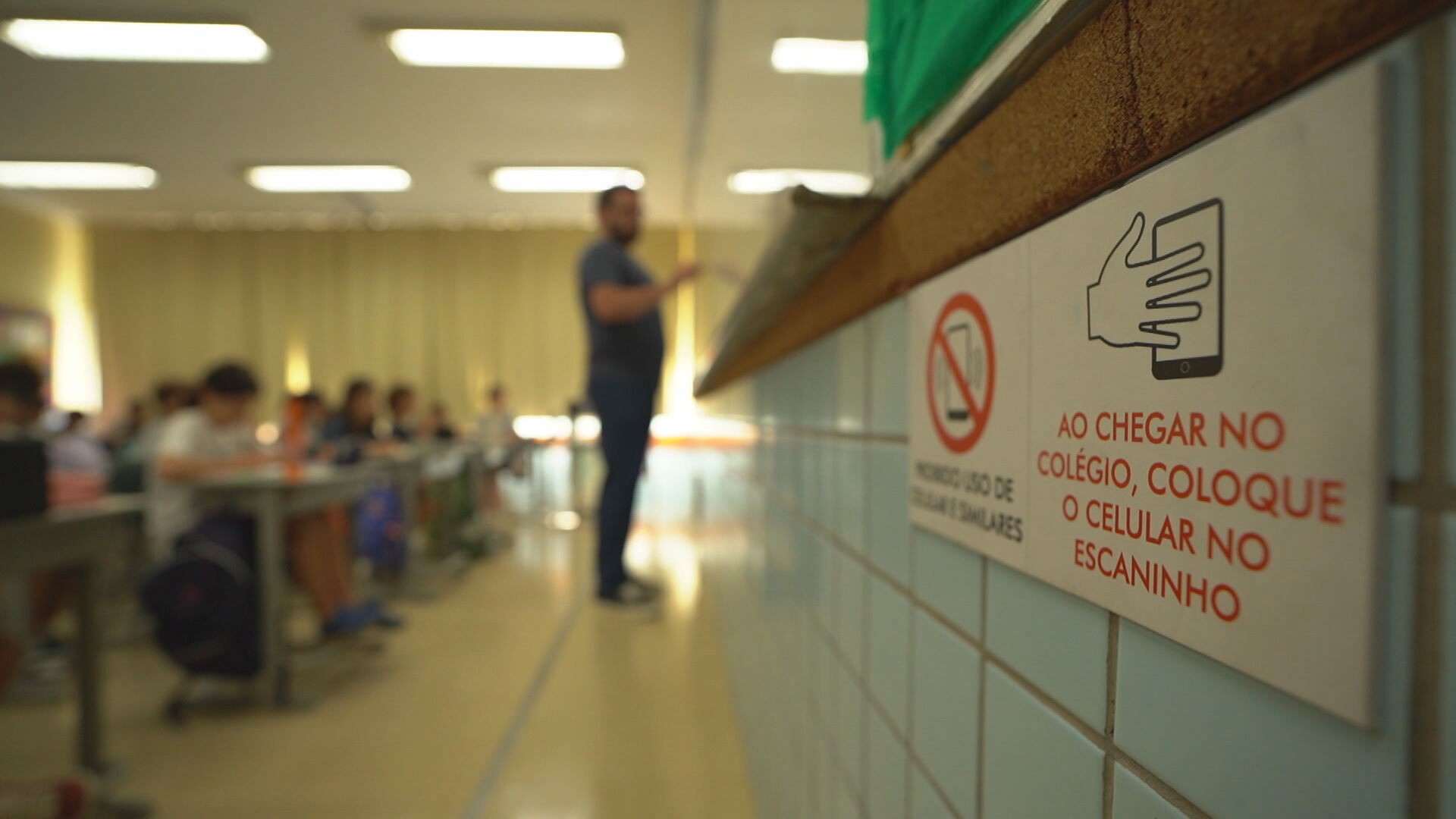
A recent survey by the Federal District's Secretariat of Education in Brazil indicates that 85% of teachers have observed an improvement in student performance following a ban on cell phones in classrooms. The study, which surveyed 4,000 members of the school community, also revealed that 78% of teachers viewed the changes brought about by the law positively. Law No. 15.100/2025, sanctioned by President Lula in January 2025 and effective at the start of the academic year, prohibits cell phone use during classes, breaks, intervals, and extracurricular activities. Further findings from the research show that 75% of teachers reported increased student participation, and 32.3% of students noted significant improvements in their attention spans. Notably, six out of ten students claim not to miss their phones during class, and 37% of students accept the restriction on device usage. Students like Samara Ferreira, 17, and Manuela Ferreira, 17, acknowledged that phones previously distracted from study time and that they relied on tools like ChatGPT. While the initial ban was challenging for students, requiring parental support for behavioral adjustments, they now recognize its educational benefits, with Manuela stating her performance has improved and she must now actively pursue her studies without AI assistance. Despite the general acceptance, pedagogical supervisors, such as Carlos Magno, still need to address instances where students attempt to use phones, often confiscating the devices and notifying parents.
The implementation of a cell phone ban in schools, supported by a significant majority of teachers reporting improved student performance and attention, highlights a potential trade-off between digital connectivity and focused learning environments. This policy shift reflects a broader societal debate on managing technology's impact on education, particularly concerning distractions and the potential for academic shortcuts via AI tools. While the law aims to enhance traditional learning dynamics, its long-term effectiveness will depend on sustained student engagement and the development of pedagogical strategies that integrate technology constructively rather than restrictively. Future educational frameworks may need to balance the benefits of digital literacy with the imperative for concentrated study, exploring nuanced approaches to device management that foster both focus and technological proficiency in the evolving digital age.
AI-generated to prompt reflection — not editorial opinion, not advice, not a statement of fact. How this works.