School in Village Supplying Soldiers Gets Teachers After News Report
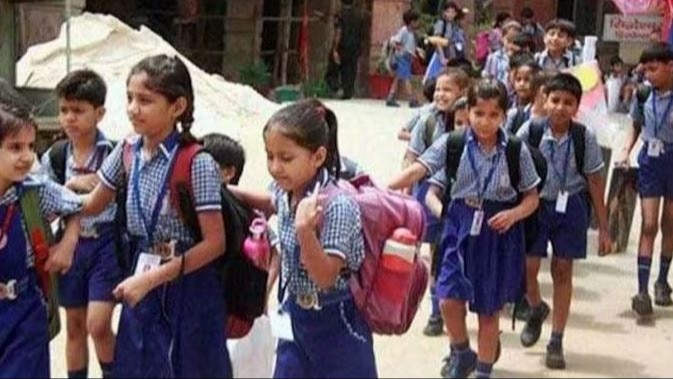
A government school in a village that has provided 38 soldiers to the army has finally received additional teaching staff. For the past two years, teacher Jot Singh Chauhan had been single-handedly managing the attendance, education, mid-day meals, and all administrative paperwork for 72 children. The recent news report highlighted his solitary efforts, leading to the allocation of two more teachers to assist him. However, the article raises a persistent question about the ongoing neglect of government schools in hilly regions and how long this disparity will continue. The village's significant contribution to the armed forces underscores the need for adequate educational resources.
The situation highlights a common challenge in rural and remote educational infrastructure, particularly in regions contributing significantly to national defense. The delay in providing adequate staffing, despite the school's importance and student numbers, suggests potential systemic inefficiencies in resource allocation or bureaucratic responsiveness. This event prompts consideration of incentive structures for educators in challenging locations and the long-term impact of under-resourced schools on community development and national service pipelines. Moving forward, a more proactive approach to identifying and addressing such needs, possibly leveraging data analytics on demographic contributions and educational gaps, could ensure equitable access to quality education across all regions.
AI-generated to prompt reflection — not editorial opinion, not advice, not a statement of fact. How this works.