Schools Prohibited from Cutting Students' Hair; No Humiliation for Non-Payment of Fees
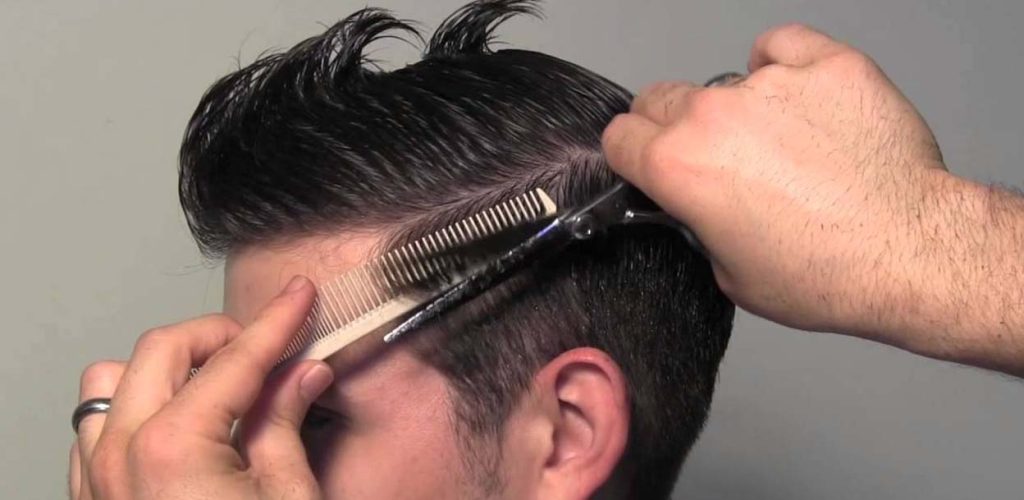
A new regulation prohibits schools from cutting students' hair, and also forbids humiliating students or questioning their character based on their physical appearance, clothing, or grooming. The directive emphasizes that students should not be looked down upon, ridiculed, or have their character questioned due to their outward presentation. This rule aims to protect students from discriminatory practices and uphold their dignity within the educational environment. It specifically addresses instances where students might face negative judgment or punishment related to their appearance. The regulation also clearly states that students who have not paid their fees should not be subjected to any form of disrespect or degradation. This ensures that financial difficulties do not lead to the emotional or social ostracization of students. The overarching goal is to create a more inclusive and respectful atmosphere in educational institutions, where all students are treated with fairness regardless of their background or financial status.
This policy shift reflects a growing global awareness of student rights and the need for inclusive educational environments. By prohibiting appearance-based discrimination and humiliation, schools are being encouraged to focus on academic and character development rather than superficial attributes. The regulation addresses potential systemic biases that could disadvantage students from lower socioeconomic backgrounds or those with different cultural grooming practices. Such policies aim to mitigate the negative psychological impacts of shaming and create a more equitable learning landscape, fostering a culture of respect and dignity for all students. This approach aligns with broader societal trends emphasizing empathy and individual rights in institutional settings.
AI-generated to prompt reflection — not editorial opinion, not advice, not a statement of fact. How this works.