Scientific Secrets for Achieving Crispy Pork Belly Crackling
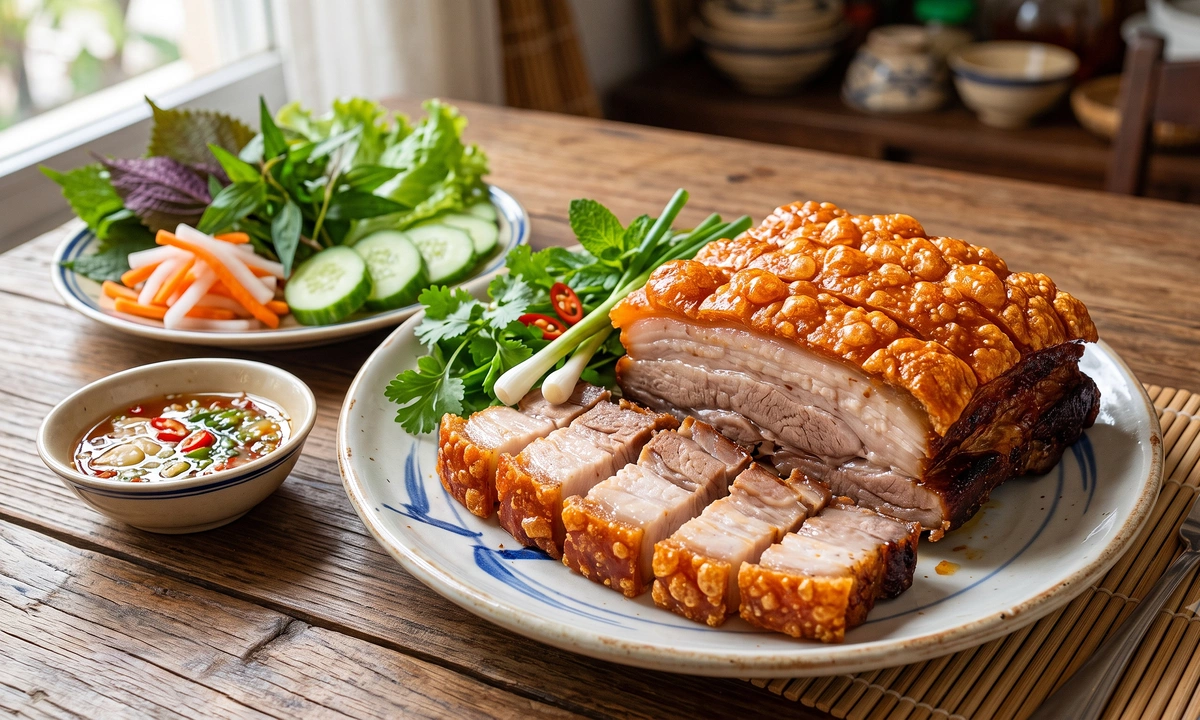
To achieve perfectly crispy crackling on roasted pork belly, home cooks must understand the scientific principles involved. A key factor is the effect of acetic acid on collagen, the protein that gives skin its structure. The application of acetic acid helps to break down the collagen, making the skin more susceptible to crisping during the roasting process. Another crucial technique involves creating tiny pinpricks in the skin. This method facilitates the escape of moisture, which is essential for achieving a truly crunchy texture. By mastering these scientific insights and practical techniques, cooks can elevate their roasted pork belly from ordinary to extraordinary, ensuring a delightful textural contrast between the tender meat and the shatteringly crisp skin.
The pursuit of culinary perfection often intersects with scientific understanding. In this case, leveraging the chemical properties of acetic acid and the physical process of moisture evaporation offers a systematic approach to enhancing food texture. This highlights a broader trend where consumers are increasingly seeking not just taste but also specific textural experiences, driving innovation in food preparation techniques. Understanding these underlying principles allows for reproducible results and can inspire further exploration into food science applications for home cooks and professionals alike, moving beyond traditional methods to more precise, science-backed culinary outcomes.
AI-generated to prompt reflection — not editorial opinion, not advice, not a statement of fact. How this works.