Scientist's Self-Experimentation with Poisonous Gases Led to Life-Saving Inventions
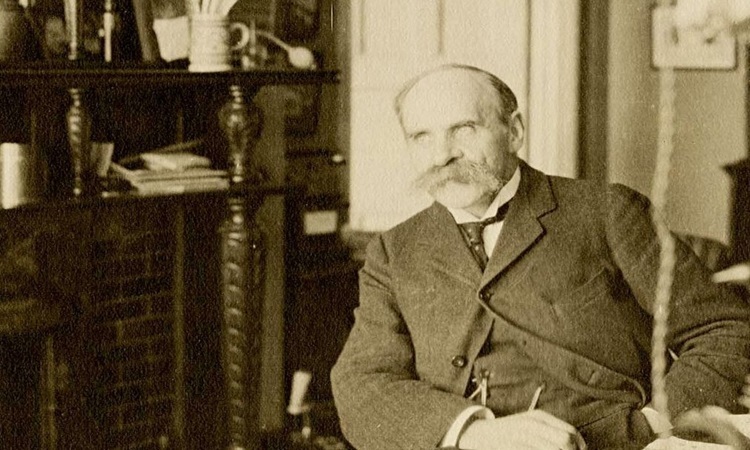
Physiologist John Scott Haldane subjected himself to extreme danger by locking himself in a coffin-like sealed box for eight hours. During this time, he intentionally exposed himself to poisonous gases, specifically carbon monoxide and chlorine. This perilous self-experimentation was undertaken to understand the effects of these gases on the human body. Haldane's research and findings from these dangerous trials directly contributed to the development of crucial inventions. These inventions, born from his personal sacrifice, have since gone on to save numerous lives. His work laid the foundation for safety measures and technologies that protect people from hazardous airborne substances.
John Scott Haldane's pioneering self-experimentation, while demonstrating immense personal courage, highlights a historical approach to scientific discovery that prioritized direct human experience over modern ethical safeguards. His willingness to endure self-poisoning with carbon monoxide and chlorine underscores the critical need for understanding hazardous environments, which directly informed life-saving innovations. In the contemporary context, such methods would be deemed unacceptable due to significant risks. However, analyzing Haldane's actions through a systems lens reveals the profound impact of individual initiative on public safety, prompting reflection on how scientific progress can be achieved through rigorous, yet ethically sound, methodologies in the future. This case also serves as a reminder of the evolving standards in scientific research and the ongoing tension between rapid discovery and the imperative of participant protection.
AI-generated to prompt reflection — not editorial opinion, not advice, not a statement of fact. How this works.