Scientists Aim to Secure Danube Shipping Amidst Record Low Water Levels
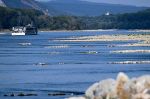
Shipping on the Danube River is facing severe disruptions due to exceptionally low water levels. Minister Hanke, in collaboration with the University of Natural Resources and Life Sciences Vienna (Boku) and Via Donau, is seeking solutions to mitigate these challenges. The current low water levels are significantly impacting the navigability of the river, a crucial artery for transport and trade. This situation highlights the vulnerability of riverine logistics to climatic conditions. The joint effort by governmental and academic bodies aims to develop strategies to ensure the continued operation of Danube shipping. These measures are expected to address the immediate crisis and potentially implement long-term resilience strategies. The specific details of the proposed solutions are yet to be fully disclosed, but the focus is on securing the future of navigation on this vital European waterway. The collaboration signifies a proactive approach to managing the impact of environmental changes on critical infrastructure.
The recurring issue of low water levels on major European rivers like the Danube underscores the systemic challenge of adapting critical infrastructure to climate change. While immediate mitigation efforts by government and academic institutions are necessary, this situation prompts a broader examination of long-term water management strategies. Future planning must consider the increasing frequency and severity of such events, potentially necessitating investments in infrastructure resilience, diversified transport modes, and robust hydrological forecasting. The economic implications for shipping and trade require a strategic approach that balances immediate operational needs with sustainable environmental stewardship, anticipating the pressures of the coming decade on global supply chains and resource availability.
AI-generated to prompt reflection — not editorial opinion, not advice, not a statement of fact. How this works.
