Scientists and locals unite to protect marine life on Pará's coast
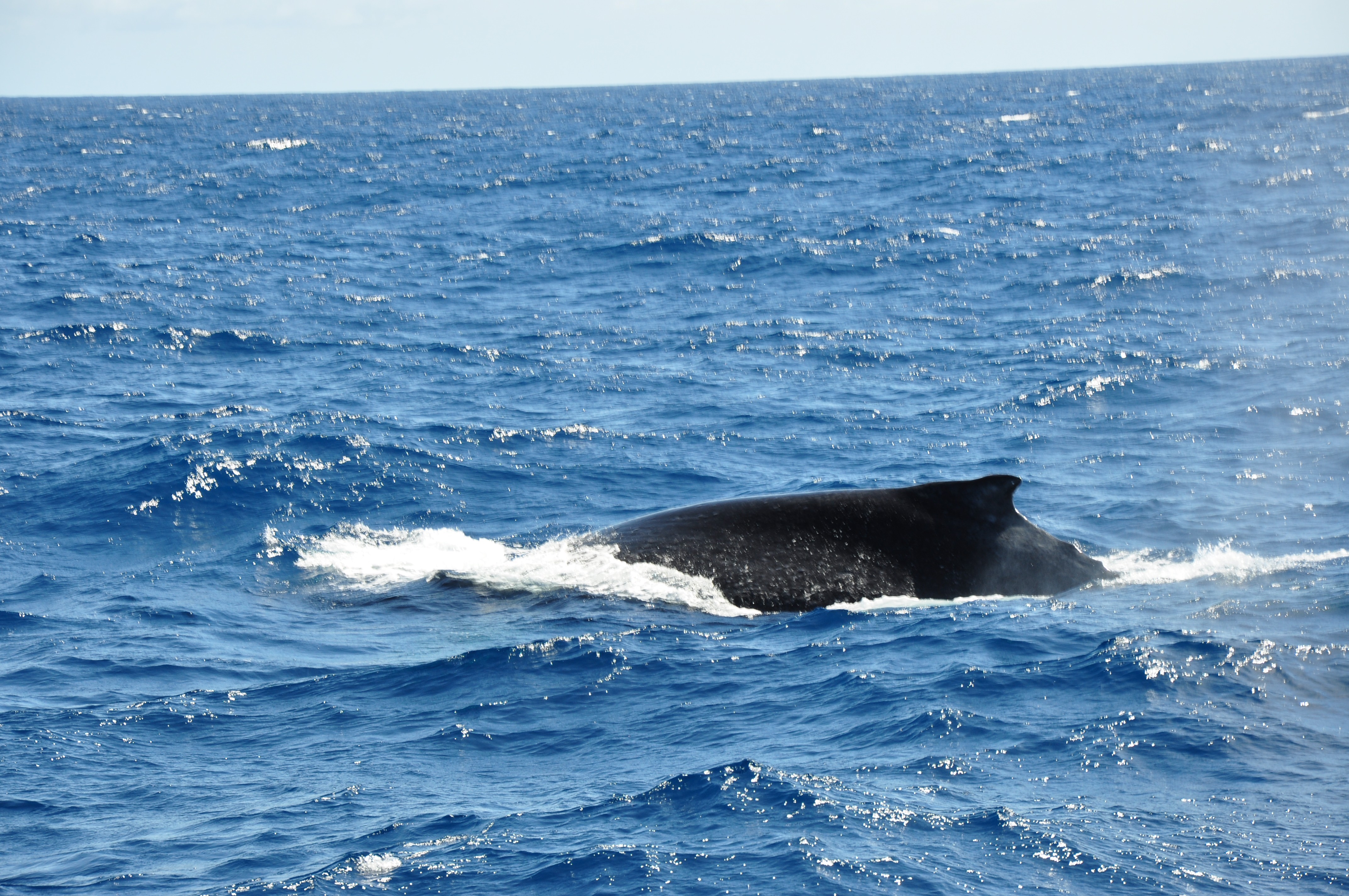
Scientists and local residents are collaborating to safeguard marine life along the coast of Pará, Brazil, where the Amazon River meets the Atlantic Ocean. A task force of researchers from the Bicho d'Água Institute is mapping and protecting the diverse marine animals inhabiting the Amazonian coast and the Brazilian Equatorial Margin. Their persistent monitoring efforts, spanning 120 kilometers of coastline and including rescue operations for stranded animals, have significantly expanded the known biodiversity of the region. Previously, only five marine mammal species were officially recorded in Pará's waters; this number has now surged to 23. Key species now known to frequent or inhabit these waters include the endangered West Indian manatee, the common river dolphin (boto-cinza) in estuaries, and large migratory whales like Bryde's and fin whales. To effectively monitor this vast and challenging area, the institute has implemented a participatory monitoring project in Soure, Marajó Island. This initiative integrates academic science with the traditional knowledge of local communities. Riverside dwellers act as environmental sentinels, observing manatee behavior and reporting findings to biologists. Additionally, a network of artisanal fishermen, traditional communities, and environmental agencies quickly alerts scientists to animals in distress or found beached. This community-driven data collection is crucial for daily rescues and contributes vital information to federal conservation efforts. To ensure the long-term sustainability of their research and conservation work, the Bicho d'Água Institute is undergoing a management acceleration program. Researchers Renata Emin and Reginaldo Medeiros are participating in an 11-month mentorship and training program in Rio de Janeiro, focusing on fundraising, communication, and governance, aiming to build a more robust and autonomous administrative structure.
This initiative highlights a successful model for conservation in ecologically sensitive and logistically complex regions, demonstrating the synergy between scientific expertise and local ecological knowledge. The expansion of documented marine species from five to twenty-three underscores the potential for under-researched areas to reveal significant biodiversity, necessitating adaptive conservation strategies. The program's focus on participatory monitoring and community engagement not only enhances data collection but also fosters local stewardship, a critical factor for long-term ecological preservation. The institute's pursuit of enhanced governance and financial sustainability through external acceleration programs indicates a proactive approach to overcoming resource limitations inherent in Amazonian conservation efforts. This strategic development aims to transition the project from dependence on intermittent support to a self-sufficient operational framework, ensuring continuous impact on biodiversity protection in the face of evolving environmental and economic pressures over the next decade.
AI-generated to prompt reflection — not editorial opinion, not advice, not a statement of fact. How this works.
